Calls by the United States to assemble a naval coalition after the iran war hormuz confrontation have been met with resistance from European governments and other partners, even as Iran’s blockade and attacks on shipping have driven energy markets sharply higher.
Allied Pushback on Naval Mission
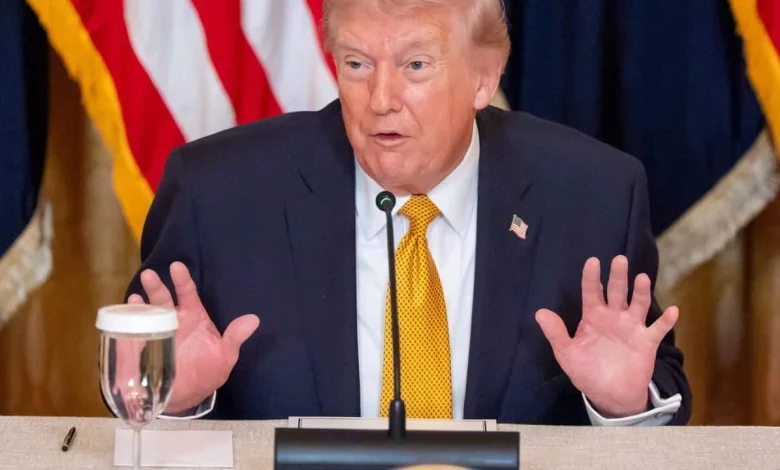
Efforts to assemble a global coalition to secure the Strait of Hormuz and escort commercial vessels have so far met a cool reception from world leaders. The U. S. president said the United States has protected the vital waterway for decades and urged other countries that benefit from its use to step up, but several governments have publicly distanced themselves from a direct naval role.
Statements from multiple capitals have ruled out participation in military activity to reopen the strait. One leader said their country would not contribute militarily and framed the conflict as not their war. Another senior official questioned what a small number of European frigates could do that the U. S. Navy could not manage alone. The United Kingdom’s prime minister said London is working with partners on a “viable” plan to reopen the waterway while ruling out a NATO mission.
Iran War Hormuz: European Leaders Reject Naval Role
European foreign ministers discussed the U. S. request in Brussels, with the bloc’s foreign policy chief noting there was talk of adapting an existing naval operation that was launched in response to activity elsewhere. That option drew little enthusiasm, and leaders made clear there was no appetite to change the mandate of current missions to include operations in the Strait of Hormuz.
Key European figures emphasized diplomacy as the preferred route. One major European leader said that while the Iranian regime must come to an end, bombing it into submission was unlikely to be the right approach. Another minister warned that the confrontation is not a matter for NATO. Several countries named in conversations around the coalition have explicitly ruled out sending warships.
Strategic and Economic Consequences
The standoff has had immediate economic consequences: global oil prices surged by 40 to 50 percent following Iran’s attacks on shipping in the strait. Iran has blockaded the waterway in retaliation for a war launched by the United States and Israel on February 28. The U. S. president has said Washington is negotiating with nations heavily reliant on Middle East oil while pressing allies to help secure the passage.
Diplomatic leaders spoke of looking for ways to ensure maritime security without expanding existing naval mandates. One senior European foreign minister suggested it would be simplest to use a current operation already active in nearby waters and adjust it if partners were willing, but stressed that willingness among member states was not evident.
Where the Standoff Goes Next
With major European powers declining direct military involvement and some potential partners describing a frosty reception to the U. S. appeals, the immediate path appears focused on diplomatic coordination and limited operational options under existing mandates. The U. S. president warned that failure to act could have implications for alliance cohesion, saying NATO faces “a very bad future” if members do not respond, while also criticizing allies he perceives as slow to decide.
For now, the combination of a continued blockade, sharp energy-price volatility, and divided allied responses keeps the crisis centered on whether political pressure can produce a multilateral plan acceptable to enough partners to reopen and secure the strait without widening the conflict. Uncertainties remain about which, if any, existing missions might be adapted and whether diplomatic efforts can reduce tensions created by the waterway’s closure.