Iran Hormuz Strait: Tehran Says Waterway ‘Open, But Closed To Our Enemies’ As Regional Tensions Mount

Iran Hormuz Strait has been declared “open, but closed to our enemies, ” Iran’s foreign minister said, as the region reels from attacks that leaders warn risk widening the conflict and disrupting global energy and food supplies.
Iran Hormuz Strait: Tehran Says Open, ‘Closed To Our Enemies’
Iran’s foreign minister said the strait is open for general navigation but explicitly closed to what he described as “our enemies, to those who carried out this cowardly aggression against us and to their allies. ” He added that US-Israeli attacks had begun “a war that the enemy started by demanding unconditional surrender. “
Immediate Human Cost and Regional Reactions
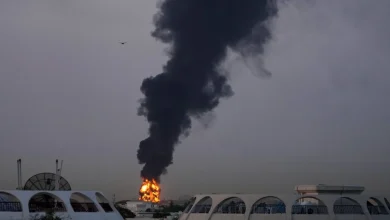
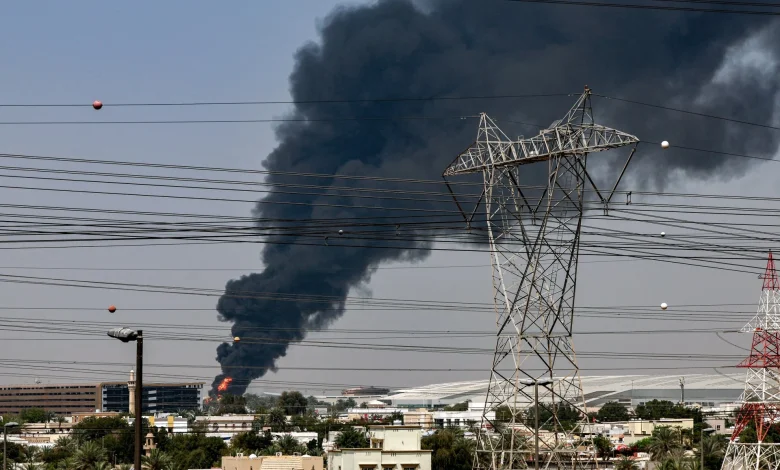
The United Arab Emirates’ defence ministry said it had dealt with six ballistic missiles and 21 drones in the latest wave of attacks. The ministry’s update said seven people have been killed — two military personnel and five civilians — and 145 injured. The Umm al-Quwain Government Media Office said a fire broke out in a building following a drone strike.
Qatar’s foreign ministry spokesman said the escalation amid the ongoing war “will not bring peace or security, ” and accused Israel of adding to a “continued circle of escalation, ” violating Lebanon’s sovereignty daily, perpetrating crimes in the Gaza Strip and taking advantage of the situation in the occupied West Bank with settler attacks against Palestinians.
The unfolding US-Israel war on Iran has rattled global energy markets, prompting countries to scramble to secure fuel, conserve supplies and rethink exports.
Western Responses, Aid and Security Options
The European Union announced 458 million euros ($525m) in humanitarian aid for the Middle East in response to recent conflicts, with the EU commissioner in charge of humanitarian crises saying the bloc is stepping up while others step back.
Political leaders in Western capitals are debating how to respond to threats to shipping and regional escalation. One prominent leader warned allies that the future of NATO could be at stake unless partners assist in securing shipping lanes. The UK prime minister said the country will not be drawn into a wider war, emphasizing priorities to protect citizens in the region while taking necessary steps to defend the UK and its allies.
EU foreign policy officials proposed a diplomatic effort to keep oil and gas flowing through the strait modeled on a past maritime initiative that ensured exports despite war. Concerns were raised that closure of the waterway could endanger energy supplies to Asia and reduce fertilizer shipments, creating the risk of food shortages in the year ahead.
EU ministers are considering whether to extend existing naval missions set up to protect commercial shipping. Some member states have moved to boost naval protection in the region, while others have expressed scepticism about expanding current mandates.
As leaders weigh military assistance, diplomatic options and humanitarian aid, the immediate focus remains on protecting civilians, keeping critical shipping lanes functional and preventing further escalation across the region. Officials say efforts are under way to coordinate responses and explore measures to ensure the strait remains usable for commercial traffic while limiting access to parties Tehran deems hostile.