A column in Journal De Montreal argues that Donald Trump badly miscalculated before the attack on Iran, warning that the country retains the capacity to wreak havoc in the Persian Gulf and to unsettle global markets.
Journal De Montreal Column Uses Bull‑And‑Wasp Fable To Make Its Case
The piece opens with a fable comparing a powerful bull that destroys a wasp nest to a military power that believes brute force ends a threat. The columnist contends that, even after heavy strikes and major damage to military infrastructure, Iran still has the ability to harm regional shipping and the global economy. The argument emphasises that destruction of forces and bases does not eliminate an opponent’s capacity to inflict damage.
The column warns that neutralising that capacity would likely require ground troops to secure coastal, rocky terrain—an operation the writer says the U. S. president cannot politically undertake. It highlights the particular vulnerability of narrow maritime choke points and argues that shore‑based weapons, from artillery and missile launchers to drones, could make passage hazardous for large tankers and commercial vessels.
Because of that continued threat to key shipping lanes, the columnist links Iran’s posture directly to sustained higher oil prices and ongoing volatility in financial markets. The piece closes on a bleak note: although the author would welcome the fall of the regime, after two weeks of conflict they have become convinced that Trump miscalculated and that the wider costs will be borne by everyone.
Conflicting Signals From Washington, Iranian Readiness And Escalating Strikes
Alongside that argument, other coverage in the context highlights mixed messages from the U. S. president, who twice said the war could end “soon” and later questioned leaving before the job was finished. Tehran has said it is prepared for a long war, and members of Iran’s paramilitary Gardiens de la révolution have framed the campaign as a war of attrition aimed at forcing a U. S. withdrawal and inflicting severe economic harm.
Major strikes have shaken capitals and regions beyond Iran. Explosions were reported in Tehran and strikes also struck targets in Lebanon. Local accounts cite drone attacks that hit points controlled by the Basij paramilitary and caused many casualties. Rights advocates fear a tougher domestic crackdown; police leaders have warned that opponents will be treated as enemies and that forces remain ready to fire.
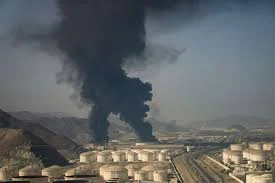
Casualty figures assembled in the context include more than 1, 348 civilians killed in Iran since the start of the conflict. In Lebanon, health authorities report roughly a dozen deaths in strikes aimed at Hezbollah‑linked targets, with hundreds displaced by bombardment. At sea, three commercial vessels were struck near the Strait of Hormuz; one Thai bulk carrier caught fire after leaving a Gulf port and its crew were forced to evacuate. The last attacks in that narrow waterway had occurred days earlier, and tens of thousands of passengers and mariners remain stuck in the Persian Gulf after claims that the Guardians control the strait.
Those developments have coincided with continued upward pressure on oil prices and renewed market anxiety, reinforcing the Journal De Montreal column’s contention that the economic fallout will be widespread and prolonged unless the maritime threat is neutralised—a task the column deems politically and practically difficult.
What Comes Next
The columnist’s central verdict is stark: superior firepower has not ended Iran’s ability to disrupt shipping or markets, and political limits on deploying ground forces make a clean military solution unlikely. With conflicting public statements about the conflict’s duration from U. S. leadership and clear signs of Iran’s readiness to sustain operations, the piece cautions that uncertainty—and economic pain—are likely to continue.