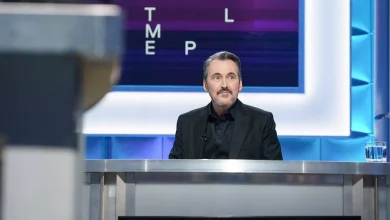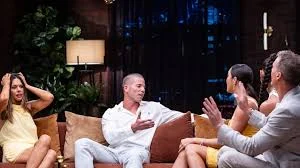
Broadcasters now confront intensified political and parental pressure that could change how reality programming is scheduled and presented to families. At 9: 15 a. m. ET, social services minister Tanya Plibersek criticized Married at First Sight after a clip from tyson mafs showed a contestant endorsing an “obedient” partner, framing the segment as normalizing coercive control.
Tanya Plibersek’s warning shifts parental guidance and political tone
Plibersek urged parents not to let their children watch the series, calling the televised exchange “incredibly dangerous” and saying it gives coercive control a national platform. The minister warned that the messaging dehumanizes women and singled out prime-time exposure as a particular risk for young viewers; the show regularly attracts more than 2 million viewers on broadcast television, a scale she emphasized in her post on Instagram.
Contestant Tyson Gordon’s comments sparked commentator and magazine backlash
In the clip questioned by Plibersek, host Laura Byrne suggested an attitude was controlling when she said, “If you want someone who is obedient, yes, it’s controlling. And you want a dog. ” Contestant Tyson Gordon replied, “Maybe that’s what I want, ” and later said he wanted to “be the man of the house” and added, “I’m sure every female wants that. ” Media commentators picked up the exchange: a columnist claimed producers had trawled “the darkest and dankest corners of the brosphere” for contestants, and TV Week said the series had crossed a line by airing scenes of bullying, name-calling and physical violence.
Nine Entertainment and producers defend the episode and editing choices
Privately, producers argued they were not platforming the contestant’s views because, in the episode referenced by Plibersek, hosts and other contestants confronted his behaviour. That defense was offered amid the public criticism and was positioned as an editorial counterpoint to claims that the show normalizes misogyny. The debate over whether the segment amplified or critiqued the remarks has become the focal point of the producers’ response.
Still, Plibersek framed the exchange as part of a broader cultural problem she addresses in her portfolio, which includes gender-based violence and technology-facilitated abuse; she said government actions can only go so far and urged public calling out of the behaviour. Her statement emphasized parental control and algorithmic amplification of misogynistic content as compounding risks for young people.
That public rebuke has already produced a split in commentary: some media voices described the casting choices as deliberately drawn from online “brosphere” corners, while the show’s defenders pointed to the on-screen confrontation as evidence the programme was critiquing—not endorsing—the attitudes expressed. Each side introduced a distinct narrative about editorial intent and audience effect.
A formal public response from Nine Entertainment is the next named event that could alter the fallout; unconfirmed as of 9: 15 a. m. ET. If Nine issues a clear statement defending its editorial framing or announcing content-review steps, the immediate political and parental pressure driven by figures like Tanya Plibersek could ease within days.