Hegseth Says Iranian Military ‘Destroyed’ as Pentagon Briefing Highlights Strait of Hormuz Attacks

Defense Secretary Pete Hegseth told reporters at a Pentagon press briefing that the Iranian Military has been “destroyed” by recent U. S. strikes, while Iran continues to target shipping in the Strait of Hormuz. Hegseth framed the attacks on key shipping lanes as evidence of Tehran’s desperation amid ongoing U. S. and allied operations.
Hegseth’s Pentagon Briefing and Key Claims
At the press event, Hegseth said two weeks of U. S. attacks have “destroyed” Iran’s military and air defenses, rendering them incapable of engaging in combat. He asserted that U. S. and Israeli bombing missions continue to destroy factories that make components for ballistic missiles and drones, and said the number of missiles and attack drones Iran has been using to retaliate has fallen by over 90% since the war began.
Hegseth characterized recent attacks in the region, particularly on commercial shipping, as a sign of “sheer desperation. ” He said, “The only thing prohibiting transit in the Strait right now is Iran shooting at shipping, ” and added that the safety of transit is being addressed, telling reporters they “don’t need to worry about it. “
Iranian Military: Leadership Visibility, Domestic Scenes and International Impact
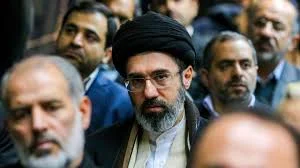
Hegseth suggested Iran’s leadership is “desperate and hiding” following U. S. -Israeli strikes, and he referenced speculation that the new Supreme Leader was wounded and possibly disfigured. He noted that the new leader did not appear on camera, a detail U. S. officials have interpreted as an indication he is in hiding and facing communication difficulties.
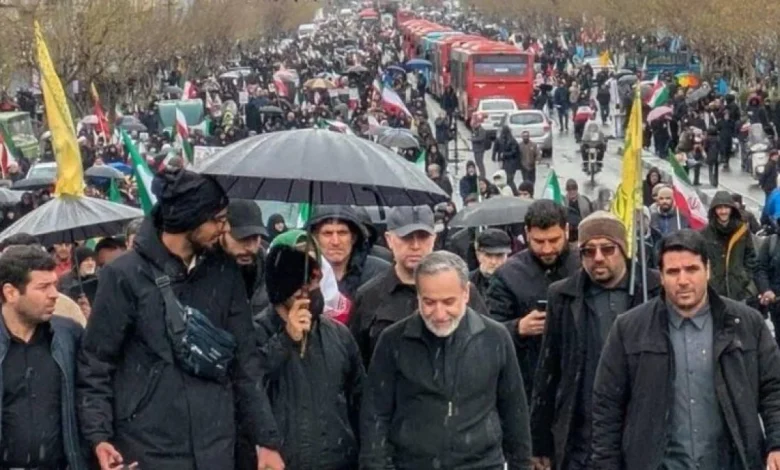
Despite those assessments, scenes from Tehran showed Iran’s President and Foreign Minister joining Quds Day rallies. Hegseth also cited a public message from the new Supreme Leader urging continued use of the leverage of blocking the Strait of Hormuz.
Hegseth linked the attacks on oil tankers in the Strait and the Persian Gulf to broader economic effects, noting that the Strait is a critical transit route that handles about 20% of the world’s daily oil and liquefied natural gas shipments.
U. S. Responses and Media Criticism
Hegseth dismissed reporting that, he said, understated the Pentagon’s view of the war’s impact on the Strait and criticized the press for how planners’ assessments have been presented. He singled out for coverage the Pentagon had disagreed with and suggested leadership changes at media companies could affect such reporting.
On operational responses, the Chairman of the Joint Chiefs of Staff, Gen. Dan Caine, told reporters the U. S. Navy is studying how it may provide armed escorts to ships passing through the Strait of Hormuz. Hegseth reiterated that U. S. and allied efforts are aimed at restoring safe transit through the crucial shipping lane.
Looking ahead, officials at the briefing emphasized continued strikes on weapons-production facilities and ongoing assessment of measures to protect commercial shipping, while public demonstrations in Tehran and statements from Iran’s leadership signal continued high tensions in the region.