Flight Disruptions at Halifax Airport Leave Tourists Grounded, Spark Broader Tourism Disruption

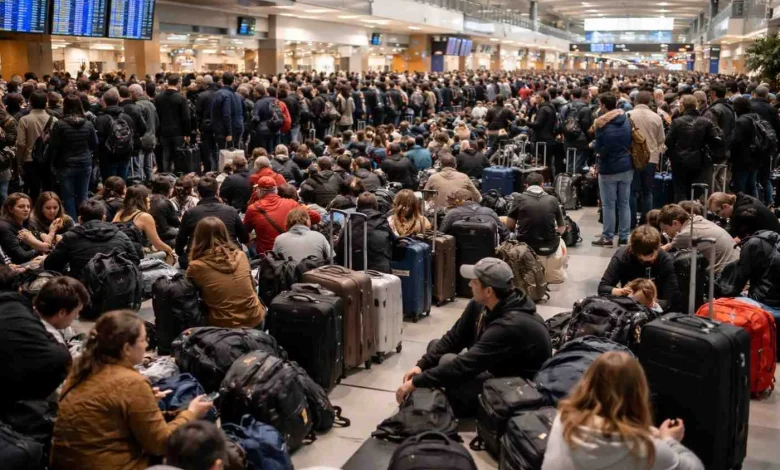
Hundreds of travelers were grounded across Canada after 55 flights were cancelled and 92 delayed at major hubs, with halifax airport among the facilities affected. The disruptions have impeded domestic connections and international routes to key U. S. cities and overseas destinations, creating immediate inconvenience for passengers and squeezing tourism flows.
Scope of Disruptions Across Canadian Hubs
The cancellations and delays occurred at multiple large airports, including Toronto Pearson, Montreal–Trudeau, Ottawa Macdonald–Cartier, Quebec City, Toronto City Centre and Calgary. The combined total of 55 cancelled flights and 92 delayed services has hit both domestic and international schedules, with some routes to major U. S. cities and far‑flung international points disrupted, amplifying travel headaches across regions.
Toronto Pearson saw major impacts on domestic routes—particularly those to Ottawa and Quebec—and delays on international connections. Montreal–Trudeau experienced a notable rise in cancellations and delays affecting flights bound for Ottawa, New York and Washington D. C. Ottawa’s operations were hampered by congestion tied to regional operators and a national carrier, with services to Toronto, Halifax and international leisure destinations among those affected.
Halifax Airport Operations and Impact
Halifax Airport experienced cancellations mainly on regional and low‑cost carrier services. Cancellations and delays involved Jazz and WestJet flights, and international travelers bound for leisure destinations such as Punta Cana, along with domestic services to Ottawa, faced delays. Local tourism is seeing reduced arrivals as a direct result of these operational interruptions.
The presence of halifax airport on the list of affected facilities underscores that disruptions are not limited to the largest continental hubs; regional gateways that feed national and international itineraries are also vulnerable to cascading schedule problems.
Causes, Consequences and Near‑Term Outlook
Multiple contributing factors were cited for the wave of cancellations and delays: staffing shortages, technical issues and adverse weather conditions. Airlines have adjusted schedules in response to operational difficulties, and the combination of peak travel demand and constrained crew availability has compounded the situation.
Immediate consequences include missed connections, frustrated travelers and strained ground operations. Tourism sectors both within Canada and in international destinations are feeling the effects, with inbound and outbound visitor flows disrupted to cities that rely on steady air service. Markets named as feeling knock‑on impacts include major U. S. metropolitan areas and distant international destinations, reflecting the interconnected nature of modern air travel.
The full economic impact on local tourism revenue is not yet quantified. Airlines and airports are working to stabilize schedules and manage passenger rebookings, but uncertainty remains about how long elevated levels of cancellations and delays will persist during the current travel period.
For travelers affected by the disruptions, options include rebooking on alternative flights, awaiting schedule adjustments, or seeking assistance from carriers for connections and accommodations. Operational adjustments by airlines in the near term will determine whether the current backlog eases quickly or if further ripple effects are likely.
Authorities and carriers have signaled efforts to restore regular operations, but the evolving mix of staffing, technical and weather challenges means passengers should expect continued volatility and allow extra time when planning travel in the coming days.