On the 15th day of the guerre iran, President Donald Trump declared that Iran is “completely defeated” and said he would end the conflict “when he feels” it is time, while also writing that it was an “honor” to kill Iranian leaders. His comments come as the fighting widens across the region and threats to energy infrastructure raise global economic risks.
Guerre Iran: Trump’s Messages, Posts and Interviews
Trump used his social network to state that Iran was “totally defeated” and sought an agreement with the United States, adding that it would not be one he would accept. He also described killing Iranian leaders as an “honor” in a separate post and boasted of overwhelming U. S. military firepower and sustained munitions and time to continue operations.
In a radio interview, the president said the war would end “when he feels” it should, signalling that decisions on cessation remain at his discretion. He additionally said the U. S. Navy would begin escorting oil tankers “soon, very soon” through the strategic strait that has become a focal point of the confrontation.
Regional Escalation, Energy Risks and Civilian Toll
The conflict began with an Israeli-American offensive on February 28 and has disrupted global oil deliveries after Tehran blocked the Strait of Hormuz, a waterway that had previously carried about one-fifth of the world’s hydrocarbons. Tehran has threatened to “reduce to ashes” U. S. -linked energy infrastructure if its main oil hub is attacked, amplifying fears over supply and price volatility.
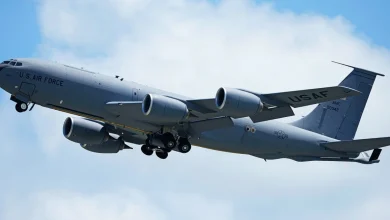
Military reinforcements and assets are moving toward the region: roughly 2, 500 Marines and three additional naval vessels have been dispatched, and U. S. officials say escort operations for tankers will start imminently. Israel’s defense minister described the campaign as entering a “decisive phase” that will continue as long as necessary, framing the conflict as one aimed at forcing the Iranian regime into submission.
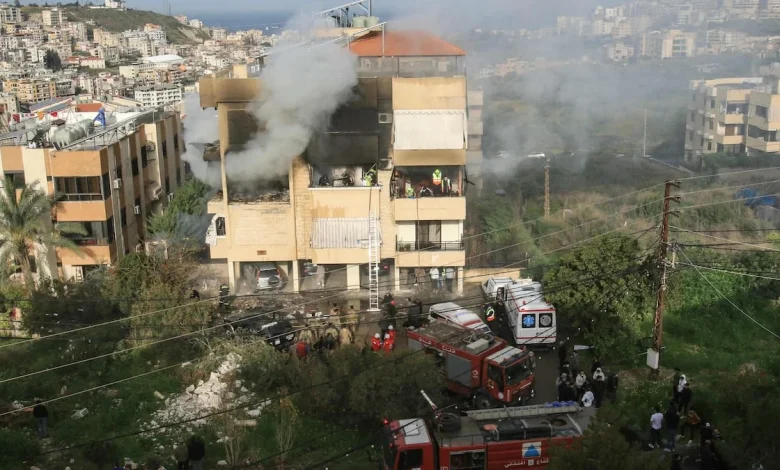
The war is spreading beyond Iran’s borders. In Lebanon, at least a dozen staff at a southern health centre were killed in an airstrike. Hezbollah launched missiles on March 2 in retaliation for the death of the supreme guide, Ali Khamenei, who was killed on the first day of the offensive and described in public accounts as having been succeeded by his son, Mojtaba Khamenei. Residential areas in and around Beirut have been hit by strikes, displacing families and sowing fear among civilians who say they no longer feel safe in neighborhoods previously spared from direct attacks.
Where Things Stand and What Comes Next
For now, leaders on all sides signal continued pressure. Trump’s public posture combines threats, boasts of military success, and a promise that he alone will decide when to halt operations. Iran’s threats to energy sites and the widening geographic scope of strikes underscore the potential for further escalation and sustained disruption to oil flows.
With escort operations set to begin and additional forces arriving in the region, the immediate outlook points to continued confrontation and uncertainty over duration. Civilians in affected areas are already experiencing deadly strikes and displacement, and officials say the decisive phase of the campaign will proceed until its stated objectives are achieved.