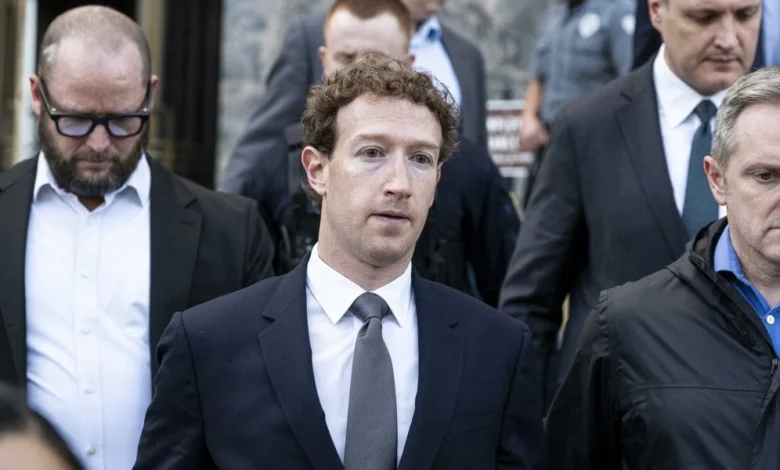
Starting now, jurors’ decisions in New Mexico could steer thousands of similar lawsuits and change how social platforms are held accountable for young users’ safety. Wednesday at 3: 14 p. m. ET, jurors watched a deposition of Mark Zuckerberg that probed what Facebook and Instagram architects knew about harms to children and how the company responded.
New Mexico jury verdict could influence thousands of similar suits
Jurors are viewing testimony during the fourth week of the bellwether trial, and that schedule has placed internal Meta research and user communications squarely before the court. New Mexico’s attorney general alleges the company violated state consumer protection laws by failing to disclose what it knew about addiction risks and child sexual exploitation, a claim that, if accepted, would create a precedent for later filings.
Mark Zuckerberg disputed “addictive” label while acknowledging engagement targets
In the pretrial deposition shown to jurors, Mark Zuckerberg pushed back on the use of the word “addictive, ” saying “That’s not what we’re trying to do” and that people sometimes use the term colloquially. Prosecutors had confronted him with internal communications and emails dating back to the early years of Facebook that discussed “problematic” and addictive use, and he conceded that the company once set goals to increase the amount of time teenagers spent on its platforms.
Attorney general presents consumer-protection case; Meta emphasizes safety efforts
New Mexico’s attorney general presented allegations that Meta failed to disclose dangers tied to platform use, while company attorneys countered that Meta discloses risks and works to remove harmful content, though they acknowledged some harmful material still gets through. The courtroom also saw a video deposition of Instagram head Adam Mosseri on Tuesday that questioned company policies related to youth safety, corporate profits and features that might enable unwanted communications between young users and adults.
Still, the deposition touched on product decisions beyond engagement metrics: Zuckerberg discussed lifting a temporary Instagram ban on cosmetic filters, saying he was reluctant to limit ways people express themselves and that he did not find the anecdotal examples presented to be convincing evidence of harm. Sometime during 2017 and beyond, he said, the company shifted focus from time spent to other metrics.
That said, jurors have been shown internal documents and user emails spanning back to Facebook’s early years, and prosecutors used those materials to press on what the company’s architects knew and when. Previn Warren, a member of the prosecution team, directly asked Zuckerberg whether users had repeatedly told the company they found the products addictive; that exchange was played for the jury as part of the state’s case.
For now, the trial in New Mexico is functioning as a bellwether: legal teams and courts nationwide will watch how judges and jurors treat the evidence and arguments. A separate trial against Meta in Los Angeles is also pending and could further shape legal outcomes for platform liability.
If the New Mexico jury rules for New Mexico’s attorney general, thousands of similar lawsuits could be affected in the months ahead; if the jury sides with Meta, those cases may face higher hurdles to proceed. The Los Angeles trial remains on the calendar as the next major forum where these issues will be litigated.