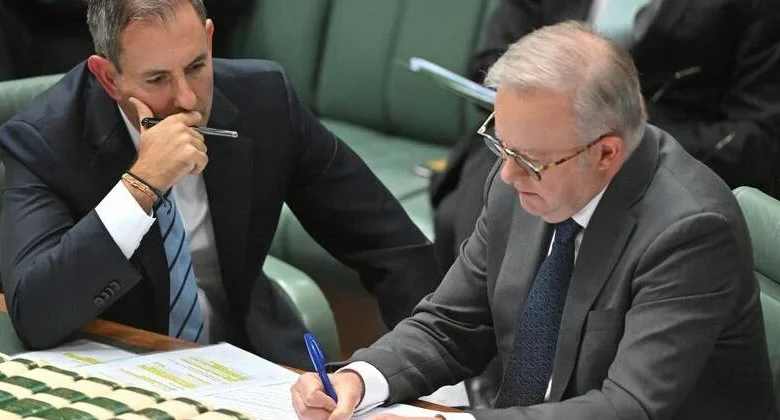
The Rba Meeting opened with economists urging caution: the recent oil shock should strengthen the push for tax reform and spending cuts rather than prompt short-term cost-of-living handouts that could rekindle inflationary pressure.
Rba Meeting Spotlight: Inflation Risk and the Reserve Bank’s Narrow Path
The Reserve Bank began its two-day rates-setting meeting on Monday and has signalled a continued preference for walking a “narrow path” by raising rates gradually, with the aim of keeping unemployment low while bringing inflation back to target over time. That stance frames the debate over how governments should respond to the economic effects of the Middle East conflict and related commodity-price moves.
Economists Warn Against Subsidies That Boost Demand
Economists cautioned that using budget windfalls from higher commodity prices to fund temporary measures such as fuel excise cuts or electricity bill subsidies risks stimulating demand at a moment the economy is facing a supply shock. HSBC chief economist Paul Bloxham wrote that some of the economic tools used after the pandemic “actually added to demand and inflation problem. ” He argued that measures that simply increase household disposable income—whether through lower energy bills or direct payments—would support more spending and could complicate the policy mix.
Budget Options, Political Choices and the Risks of Repeating Past Mistakes
Treasurer Jim Chalmers has resisted calls to cut the fuel excise, even as unleaded prices rose above $2. 20 a litre and diesel climbed to more than $2. 60 a litre. He said recent developments were a reason to press ahead with reform, not slow it, and that he would take a range of savings- and productivity-focused reform packages to colleagues, including options on tax reform.
UNSW economics professor Richard Holden noted it was too early to know the net budgetary effect of the conflict, but said rising commodity prices and inflation could boost tax revenue enough to improve the deficit despite higher interest costs and slower growth. He warned the government faces the risk of treating budgetary good luck as good management—a mistake he says occurred after the earlier commodity-driven boost to the budget.
The policy tension laid out at the Rba Meeting and in accompanying economic commentary centers on whether to use a short-term fiscal response to ease household pain or to prioritise reforms aimed at lifting productivity and sustainable growth without adding to inflationary pressures. Officials and economists on both sides of the debate say choices made now will shape inflation and labour-market outcomes as central bank decisions on interest rates progress.