Jamison Gibson-Park is closing on a fresh agreement with the Irish Rugby Football Union, a move that underscores Ireland’s push for stability before the rugby world cup in 2027.
Contract Close As French Interest Mounts
The scrum half has drawn strong interest from clubs in France in recent months, but he is poised to remain within Irish rugby for several seasons. His preference to stay aligns with Ireland’s long-term planning and reflects faith in the current national setup heading into a new cycle.
Gibson-Park’s game has become a steadying force for Ireland: quick decision-making, sharp passing, and control around the ruck have anchored the attack in tight contests. Those traits, consistently visible at the highest level, have made him a central figure for coaches shaping the next phase.
Rugby analyst Bernard Jackman has suggested the agreement is close to completion, a development that has stirred quiet optimism around Ireland’s squad-building efforts. While formal confirmation has not been announced, the direction of travel is clear: Ireland wants to lock in its key playmakers early.
What It Means For Rugby World Cup 2027
Irish management places a premium on players who commit early to the national system, believing continuity strengthens tactics and trust. Gibson-Park fits that strategy, already in sync with the team’s attacking rhythm and serving as a steady organiser who reads space quickly. Keeping him in place supports a smoother handover for younger squad members integrating into camp—an important consideration as the 2027 tournament, hosted in Australia, comes into view.
Stability often proves decisive at a rugby world cup, where sustained combinations and clear decision-making can tilt tight games. With Gibson-Park’s composure under pressure and ability to accelerate play from the base, Ireland preserves a familiar fulcrum as preparations intensify.
Form, Milestones, And The Leadership Factor
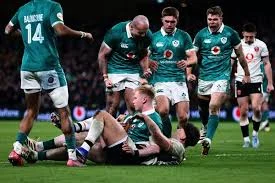
Gibson-Park recently reached a significant personal landmark by earning his 50th cap for Ireland in Dublin against Wales. The milestone captures both longevity and growth: he has evolved into a reliable playmaker whose tempo control keeps attacks alive even when the defensive line rushes.
Teammates lean on that calm approach during fast-moving phases, where he rarely panics and often selects the smartest option. Coaches view such consistency as the backbone of tournament rugby, where one or two critical moments define outcomes. Within Ireland’s broader plan, his influence is both technical and cultural—helping maintain the squad’s on-field balance while setting standards for emerging players.
While the final paperwork remains to be completed, the trajectory is unmistakable: Ireland is prioritizing continuity in key positions, and Gibson-Park’s near-term future appears set to remain in green. If finalized, the deal would mark another step in a methodical build designed to carry hard-earned cohesion into Rugby World Cup 2027.