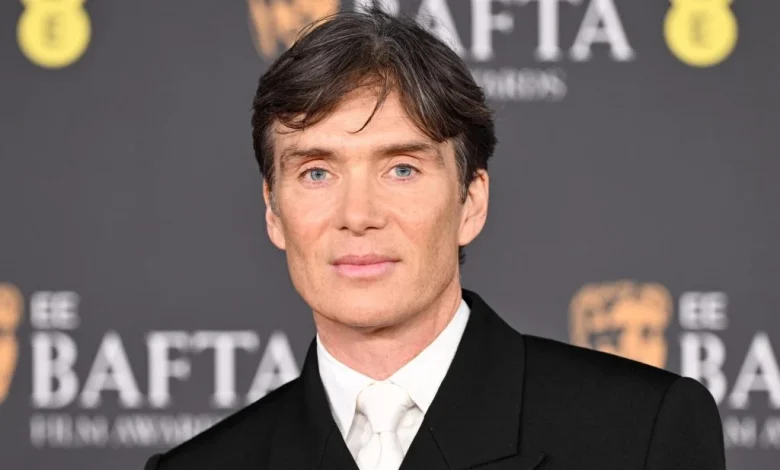
The soundtrack to Peaky Blinders: The Immortal Man has been released alongside the film’s limited theatrical bow, with nick cave returning in a fresh orchestral take on the long‑running theme and members of Fontaines D. C. threaded through new songs and existing singles. Beneath the marquee, a clear tension emerges: the franchise’s first appearance in cinemas chooses a deliberately raw palette over the expansive orchestration often associated with big‑screen debuts.
Peaky Blinders: The Immortal Man leans on Fontaines D. C. and covers
A 36‑track collection helmed by Antony Genn and Martin Slattery anchors the release, combining five new original compositions with covers and the film’s menacing score. Rather than vaulting toward maximalist orchestration, the album extends the series’ established musical identity through curation and collaboration.
Members of Fontaines D. C. feature extensively across the tracklist. Existing singles “A Hero’s Death” and “Romance” appear, while frontman Grian Chatten leads multiple originals, including “Puppet, ” and delivers a cover of Massive Attack’s “Angel. ” Bandmates Carlos O’Connell (guitar) and Tom Coll (drums) contribute elsewhere on the soundtrack as performers, signaling a deliberate through‑line from the group’s catalog to the film’s sonic world.
Other voices shape the record’s texture. Amy Taylor of Amyl and The Sniffers takes lead vocals on the pulsing “Nobody’s Son, ” injecting a punked‑up immediacy that aligns with the franchise’s grim industrial mood. Together, these choices foreground artist identity and previously released material as narrative tools, rather than relying solely on newly commissioned score.
Antony Genn and Martin Slattery’s gritty brief for a big‑screen debut
The composers frame their mandate in plain terms: “dirty, gritty music. ” They describe a conscious departure from “big, grand Hollywood music, ” emphasizing “guts” and the “feeling of the human hand, ” created by “brilliant human hearts, minds and souls. ” For a series arriving in theaters for the first time, the stance is notable. It positions restraint and abrasion, not cinematic sweep, as the organizing principle.
That choice creates a documented contradiction. On one hand, this is the inaugural feature‑length iteration of a story that began on television and now moves through a limited theatrical window before a streaming release. On the other, the music resists the traditional expectations of a film upgrade. Instead of scaling up for spectacle, the soundtrack doubles down on texture and persona—most visibly through the heavy presence of Fontaines D. C. and the reliance on a mix of originals, covers, and existing catalog cuts.
Nick Cave’s ‘Red Right Hand’ and the soundtrack‑as‑narrative pattern
Nick Cave’s “Red Right Hand, ” the theme from the original television edition, returns with an orchestral twist, fusing continuity with a fresh layer of menace. Its inclusion underscores a documented pattern described for modern film soundtracks: music curated to define mood, character psychology, and cultural positioning, rather than serving strictly as background. In this framework, signature songs operate as story devices, not just cues.
Industry dynamics further illuminate the strategy. Context points to soundtracks circulating independently through streaming platforms, generating discussion and fan engagement beyond the film itself. For a property long associated with distinctive musical choices, the album’s mix of familiar voices and new material positions the songs to live on their own terms. Within that ecosystem, nick cave functions as connective tissue between legacy identity and the composers’ gritty brief, while the Fontaines D. C. footprint suggests a bid to lock the film’s tone to a specific contemporary edge.
What remains open is how these decisions will land with audiences encountering the film and album in tandem. The next clear test comes when the movie exits its limited big‑screen window and reaches home viewers. If the tracks gain independent traction at scale while reinforcing the on‑screen mood, it would establish that the soundtrack’s raw palette is not a constraint of resources but a deliberate narrative choice that carries across formats.