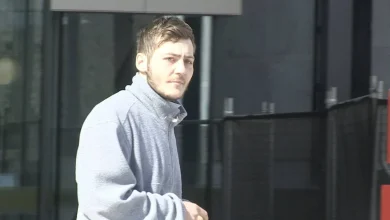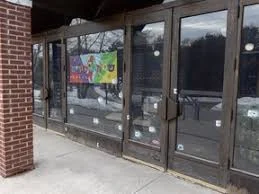
Adam Silver, CEO of the Jewish Federation of Ottawa, said the community felt the impact after shots struck synagogues in Toronto, and he urged lawmakers to act. The incidents in Toronto have sharpened attention in Ottawa as city councillors and residents weigh the federal plan to bring most public servants back four days a week. Travis Green
Adam Silver and Ottawa Jewish community react to Toronto synagogue shootings
Silver said when something happens to any Jewish institution, the community becomes empathetic and caring for those affected. The reference was to shootings at Shaarei Shomayim in North York and Beth Avraham Yoseph of Toronto on Saturday, March 7, and a separate incident at Temple Emanu-El following a Purim celebration.
Local memory of violence is sharp. In August, a 74-year-old Jewish woman was stabbed at the Loblaw grocery store in College Square, a location noted for kosher and Passover food. Those incidents are part of a pattern that community leaders in Ottawa point to when calling on governments to act against antisemitism.
Travis Green examines councillors’ stances on the federal four-day return-to-office plan
Many city councillors publicly opposed the federal government’s four-day in-office mandate, while others pointed to Ottawa’s own model. Some councillors sidestepped the question and focused instead on OC Transpo’s struggles. Councillors do not control federal workplace policy, but the debate has become a local issue.
More than 150, 000 public servants live and work in the National Capital Region, and how the federal government manages that workforce has cascading effects for transit, traffic, parking, land-use and housing. Commuters worry about increased congestion on the Queensway and whether an already overburdened transit system can handle the influx of riders.
Ottawa Police Service, unions and public safety concerns intersect with return-to-office plans
Ottawa Police Service said it was assessing the recent shootings in the Toronto area and was taking steps to keep Ottawans safe. OPS data show around 358 incidents were reported to the Hate and Bias Crime Unit in 2025, representing a 25-per-cent decrease from 2024. The most victimized groups were Jews, with 73 reported incidents, though OPS warned numbers might be higher because hate crimes are often underreported.
At the same time, public service unions have resisted efforts from the Treasury Board to force workers back into the office. A union president said a strike vote over remote work was “definitely” in the cards. Public servants tend to support a hybrid model and most self-report no loss in productivity when working remotely, a factor that shapes both union strategy and councillors’ public remarks.
For Jewish community leaders and municipal officials alike, these threads—safety, transit capacity, and workplace policy—are connected. Shooting incidents and hate-crime numbers feed calls for stronger action on antisemitism, even as the logistics of returning tens of thousands of workers to downtown offices raises practical concerns for daily life in Ottawa.
Adam Silver’s opening appeal—that the community feels it when Jewish institutions are targeted—returns as the story’s center. The next confirmed development is the federal government’s planned move to bring most public servants back to the office four days a week. For now, councillors, transit planners and community leaders are preparing for how that shift will affect safety, reporting and the rhythms of the city.