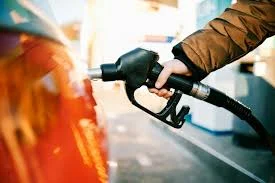
Drivers nationwide now face higher pump bills after a near-27-cent weekly rise in the national gas price to $3. 25. Friday at 9: 00 a. m. ET, AAA said the conflict in the Middle East sent crude oil prices into the mid $70/barrel range, contributing to the jump.
AAA: National Gas Price Shows Wide State Price Gaps
AAA’s release lists the nation’s most and least expensive gasoline markets, a concrete effect on regional budgets: California leads at $4. 81 per gallon, followed by Washington ($4. 44) and Hawaii ($4. 43); Oklahoma is cheapest at $2. 79, with Mississippi ($2. 81) and Kansas ($2. 83) also at the low end. The state-by-state spread now exceeds two dollars per gallon between the extremes.
EIA Data: Gasoline Demand Falls Even as Production Rises
EIA data shows weekly gasoline demand dropped from 8. 73 million barrels per day to 8. 29 million barrels per day while gasoline production averaged 9. 3 million barrels per day. Those shifts in demand and supply play directly into the national gas price dynamic and help explain why pump costs moved higher despite increased production.
WTI and U. S. Inventories: Mid-$70s Crude, Stocks Below Five-Year Average
At the close of Wednesday’s formal trading session, WTI rose 10 cents to settle at $74. 66 a barrel, and U. S. crude oil inventories increased by 3. 5 million barrels to 439. 3 million barrels — about 3% below the five-year average for this time of year. The recent weekly jump in pump prices is the largest like it since March 2022, when prices spiked at the start of the Russia/Ukraine conflict.
For electric-vehicle owners, the national public charging rate held steady at 39 cents per kilowatt hour, while regional public charging costs vary widely, with West Virginia at 52 cents per kWh and Kansas at 25 cents per kWh.
If U. S. crude inventories remain around 3% below the five-year average, national pump prices could stay near current levels through spring. The next weekly EIA report will be the key data release to confirm whether inventories and demand trends will ease prices or sustain the current increase; if inventories climb above the five-year average, downward pressure on pump prices should follow within weeks.