Fast-Food Groups Scrap Better Chicken Pledge, Nandos Among Brands Shifting To Industry-Led Forum

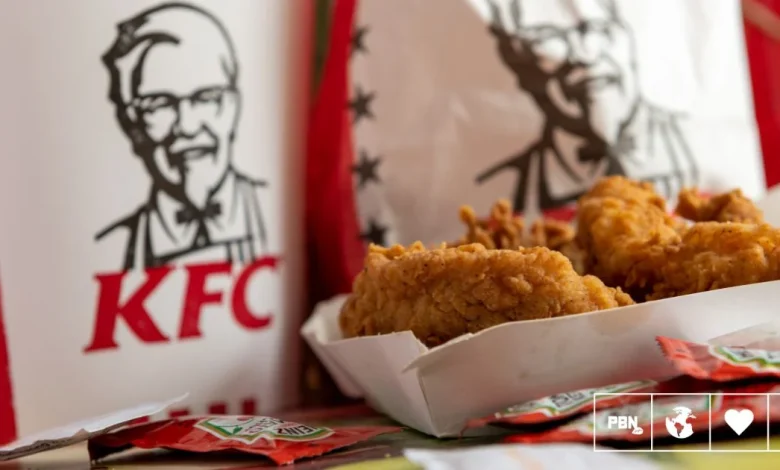
Several major fast-food brands, including nandos, have withdrawn from the Better Chicken Commitment and joined an industry-led forum that allows the continued use of fast-growing “frankenchickens, ” citing supply challenges and environmental concerns tied to switching breeds.
Why Nandos And Others Left The Better Chicken Commitment
Eight restaurant groups that together own 18 brands have officially pulled out of the Better Chicken Commitment (BCC), which had a full compliance deadline of 2026. The companies have instead joined the Sustainable Chicken Forum (SCF), an industry-led body that permits the use of fast-growing chickens.
Members of the SCF argued that focusing solely on slower-growing breeds ignores knock-on impacts for the poultry supply chain. The companies cited ongoing supply issues and environmental concerns related to the proposed transition away from fast-growing breeds as reasons for their move.
The decision has drawn sharp criticism from animal welfare organizations. Anima International said the withdrawal was “about money and nothing else. ” Connor Jackson, the charity’s CEO, warned that breeding fast-growing chickens is a major source of animal suffering. Claire Williams, campaigns manager at The Humane League UK, described the Sustainable Chicken Forum as a “welfare-washing, PR-stunt” set up to deflect criticism and protect profit margins.
What Frankenchickens Are And The Welfare Debate
“Frankenchickens” are fast-growing breeds bred to reach slaughter weight very quickly; they reach target weight at just six weeks in many cases. Those traits place strain on bones, muscles and ligaments, and many of these birds lose the ability to walk. Fast-growing breeds also fall sick more often and typically require more antibiotics. The context notes that such breeds make up roughly 90 percent of the 1. 2 billion chickens farmed for meat every year in the UK.
Supporters of the Better Chicken Commitment describe it as a science-based framework designed to address welfare problems associated with fast-growing birds, including overcrowding, poor conditions and painful slaughter methods. Advocates argue the commitment’s breed-transition requirement is central to improving broiler welfare.
Those backing the SCF counter that welfare improvements can also come from changes in management, stocking density and farm practices, and that mandatory breed swaps carry environmental and affordability trade-offs. The industry-led forum emphasizes balancing welfare with sustainability and supply resilience.
Contrast With Retail Progress And Next Steps
Progress on the Better Chicken Commitment remains mixed across the food sector. A recent industry tracking report shows many retailers and hospitality operators are advancing on the commitment: more than 410 companies have signed it, and specific signatories have reported measurable improvements. Some retailers have already moved toward full compliance on breed transition, demonstrating that shifts to slower-growing chicken can occur within commercial supply chains.
The debate now separates quick-service restaurant groups and several large brands from parts of the retail and hospitality sector that continue to back the BCC. Critics of the move to the SCF say it risks entrenching fast-growing breeds, while supporters argue practical supply and environmental concerns justify a different approach.
With the BCC’s implementation deadline approaching, the immediate outlook centers on whether the split between industry-led and science-based routes will narrow or deepen. Animal welfare advocates have signalled they will intensify efforts where companies have stepped away from the BCC, while businesses in retail and hospitality continue to report incremental compliance gains that they say benefit millions of birds already.