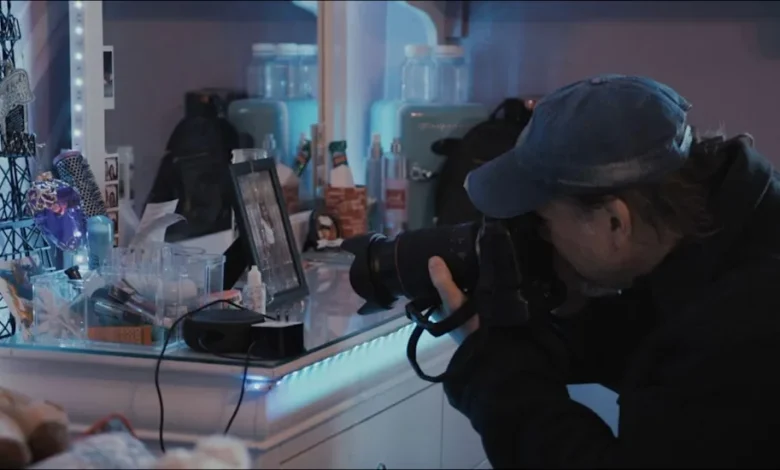
All The Empty Rooms Documentary follows Steve Hartman and photographer Lou Bopp as they document the bedrooms and possessions left behind by children killed in US school shootings, presenting a deliberate counterpoint to coverage that can inadvertently elevate perpetrators. The film uses preserved rooms and everyday objects to make the losses tangible and to press for broader public recognition of the human toll.
All The Empty Rooms Documentary: Concept And Creative Team
The project pairs Steve Hartman, who built a public profile as the upbeat reporter brought on at the end of the news during his time with CBS, with photographer Lou Bopp. Together they concentrate on the physical spaces the victims inhabited, framing these rooms as a way to commemorate who the children were rather than amplifying the notoriety of those who killed them. The film stars Steve Hartman, Lou Bopp and several families including Frank Blackwell, Nancy Blackwell, Rose Bopp, Chad Scruggs, Jada Scruggs, John Scruggs, Charlie Scruggs, Gloria Cazares, Javier Cazares and Meryl Hartman.
The documentary arrives amid a crowded short-film field, where hundreds of entries compete each year for attention and awards. In that context, the perceived importance of subject matter influences how work is judged, and this film intentionally foregrounds subject over spectacle.
Rooms As Memorials: What The Film Shows
The film presents rooms kept largely as they were after each child’s death: parents preserving the smell, the arrangement, the objects left behind. Viewers see soft toys and posters, sports gear and stationery, clothing and drawings arranged as if waiting for their owners to return. One room contains a jar of pens and pencils that once had distinct, private uses. Another shows a line of Spongebob toys laid across a pillow; in a girl’s room, carefully threaded strings of beads suggest choices and self-expression now frozen in time. A signed sports helmet sits as evidence of team life and pride. In one case, a child who was known for never shutting up is represented by a silence that feels overwhelming on screen.
The film does not include every family approached; it focuses on those who agreed to participate and who emphasize the importance of preserving these spaces. For them, the rooms are both a personal act of remembrance and a way to contribute to a larger public reckoning.
Why The Film Seeks Broader Recognition
The filmmakers present the rooms to turn names on a list into people whose daily lives can be understood and felt. The documentary cites a stark figure: 420 children were shot dead in US schools in 2025, and the film frames that statistic with intimate detail to challenge viewers who might otherwise find the scale numbing. The work argues that only when the country at large truly understands the human toll can momentum for change build.
By centering the objects and spaces that made up ordinary childhood, the film aims to reassert the victims’ identities and disrupt media patterns that can grant killers disproportionate attention. Those whose rooms are shown in the film stress the project’s personal value and its potential as a civic act: a way to memorialize children while shifting the national conversation back toward the losses endured by families and communities.
The film’s approach—documentary portraiture focused on absence—positions it as a contribution to ongoing cultural discussion about how to remember victims and how storytelling choices shape public understanding. Its makers present the rooms as evidence of lives interrupted and as a call for viewers to recognize the cost behind the headlines.