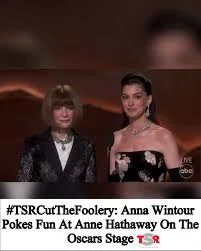
In a standout night for craft categories, frankenstein secured Best Costume Design and added Best Makeup and Hairstyling, underscoring its technical sweep at the 98th Academy Awards. The costume design honor went to New Zealand’s Kate Hawley, who won on her first-ever nomination, with the award presented on stage by Anne Hathaway and Anna Wintour.
Frankenstein Adds Makeup And Hairstyling Win
The film’s victory in Best Makeup and Hairstyling paired with the costume prize signaled broad recognition for its world-building. The dual wins highlighted how the production’s artistry worked in concert—hair, makeup, and wardrobe uniting to serve a Gothic reimagining of Mary Shelley’s tale under director Guillermo del Toro. The project entered the night with nine nominations spanning major craft fields, including production design and a Best Picture consideration, and its successes reinforced the film’s reputation as a complete technical achievement.
As frankenstein expanded its awards footprint with multiple wins, it cemented the sense that del Toro’s vision relied on close-knit collaboration across departments. The cohesive look and feel—down to fabric choices, color palettes, and the physicality shaped by hair and makeup—proved central to the film’s emotional storytelling.
Kate Hawley’s Breakthrough And Craft Detail
Hawley’s win marked a career milestone: a debut Oscar nomination culminating in a first victory. She celebrated the craft, saluting fellow nominees and crediting del Toro’s direction as foundational to the film’s visual language. The recognition arrives after a strong run this season, with Hawley taking top honors at both the BAFTA Awards and the 2026 Costume Designers Guild Awards in recent weeks.
The award also extends a productive partnership between Hawley and del Toro. Frankenstein marks their third collaboration after earlier work on Pacific Rim and Crimson Peak, projects that helped establish their shared sensibility for immersive, emotionally resonant design.
Hawley’s approach blended historical and pop-cultural currents to shape an intricate wardrobe that advanced character and theme. Influences ranged from Art Nouveau and the Tiffany archives to David Bowie’s Thin White Duke era, synthesized into silhouettes and textures that deepened the drama rather than decorating it. The palette functioned as a narrative instrument: the red gloves worn by Victor signaled the literal and figurative blood on his hands; Elizabeth’s intricately patterned looks suggested a character full of contradictions; and the Creature’s evolving clothing traced a search for humanity and the tragic clarity that follows.
That rigor reflects the hours of research, design, and coordination that costume teams bring to period and genre projects—balancing historical reference, practical performance needs, and the director’s visual design. Hawley’s year of sequential accolades suggests her designs resonated not only with audiences but also with peers attuned to how costuming can carry subtext through color, fabric, and movement.
Onstage Presentation Draws Extra Attention
The presentation itself turned heads. Wintour shared the stage with Hathaway to hand out the costume award, and at one point addressed the actor by the name of her character from The Devil Wears Prada—a wry twist given that film’s long-discussed real-world inspirations. The moment added a flash of pop-culture frisson to a category defined by meticulous craft and historical detail, while the award capped a breakthrough evening for Hawley and a strong overall showing for the film.
Taken together, the wins in costume design and makeup and hairstyling reinforce the awards-season throughline: that the film’s Gothic aesthetic is more than surface. Each element—stitching, pigment, coiffure, and silhouette—serves story and psychology, aligning with del Toro’s long-standing emphasis on beauty as a vessel for emotion. As the industry looks back on this year’s achievements, Hawley’s ascent and the film’s craft recognition stand as reminders of how design choices can shape character arcs as powerfully as dialogue and performance.