Israel Launches ‘Wide-Scale’ Strikes on Iran as Trump Says US Not Ready to Make Deal — Israel Iran War

The Israel Iran War intensified as the Israeli military said it launched “wide-scale” strikes on targets in western Iran while Iran and Israel continued to trade strikes and Gulf states reported missile and drone interceptions. US President Donald Trump said Iran is ready to make a deal to end the war but that he is not willing to accept the current terms.
Israel Iran War: Latest Military Exchanges and Civilian Impact
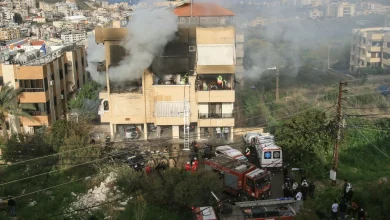
The Israeli military described strikes on targets in western Iran as part of a continuing cycle of attacks and counterattacks. Emergency services in Israel said there were no reported casualties following the most recent Iranian strikes, and search and rescue teams were working in areas where reports of impacts were received.
The Israel Defence Forces issued warnings after detecting missiles fired from Iran, describing this as the fifth wave of strikes in the space of nine hours and urging people in affected areas to shelter. The exchanges have included missiles and drones, with Gulf states reporting interceptions during the overnight period.
US Central Command accused the Islamic Revolutionary Guard Corps of spreading false claims about the aircraft carrier USS Abraham Lincoln, and said the carrier strike group continues to maintain dominance over Iran’s airspace from its position at sea.
Trump Rejects Deal on Current Terms and Highlights Kharg Island Strikes
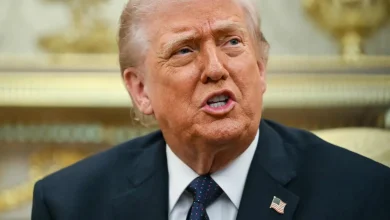
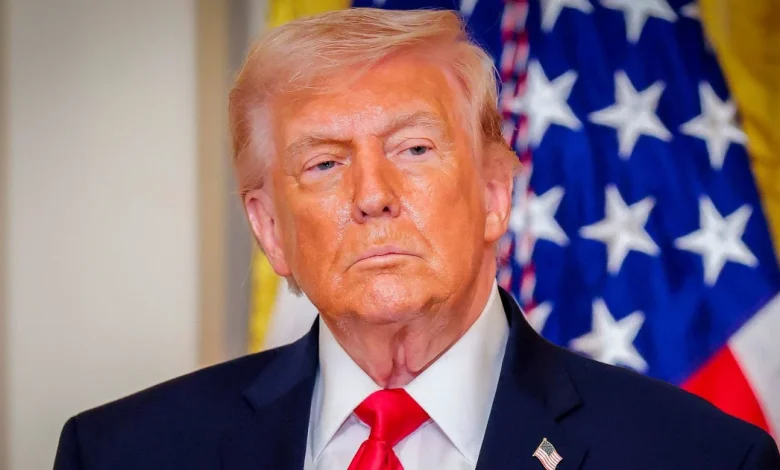
President Donald Trump said Iran wants to make a deal to end the war but that he will not agree to the current terms because they are “not good enough. ” He said any acceptable agreement would need to include a commitment from Iran to abandon nuclear ambitions, though he declined to give further details on specific terms.
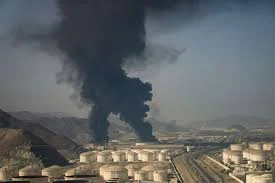
In a televised interview, the president said US strikes had “totally demolished” Kharg Island, Iran’s critical oil export hub, and added that it “may be hit a few more times. ” He also said he is working with other countries on plans to secure the Strait of Hormuz amid surging oil prices and has called on nations to contribute warships to keep the shipping lane open.
Gulf Interceptions, Shipping Disruption and International Responses
The conflict has disrupted shipping through the Strait of Hormuz. The president said the situation has brought shipping in the strait to a near standstill and urged allied participation to secure the passage. A foreign minister from Iran said the country is open to regional initiatives that could lead to a fair end to the war, but that no specific proposal has been presented.
The United Arab Emirates said it was intercepting missiles and drones from Iran and told residents that blasts heard in parts of Dubai were projectiles being shot down. Authorities in the UAE stated they have engaged 1, 600 drones and more than 300 missiles launched by Iran since the conflict began.
Meanwhile, the UK Energy Secretary said any option that can get the Strait of Hormuz reopened is being examined as nations consider responses to the disruption in global energy flows.
The situation remains fluid: exchanges of strikes have continued, search-and-rescue efforts are underway in affected areas, and diplomatic and military discussions about securing maritime routes and negotiating terms to end the conflict are ongoing. President Trump’s public insistence that he will not accept current terms frames the immediate diplomatic outlook.