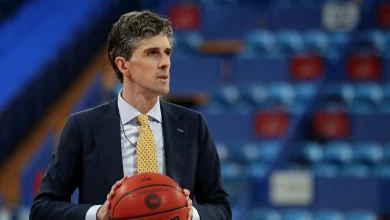
Alina Hudak, president and CEO of the FIFA World Cup 2026 Miami Host Committee, frames a practical question: how will seven matches and more than 30 days of citywide activation change miami’s neighborhoods and markets? In a conversation with two Miami real estate attorneys, Hudak connected the event’s projected billion-dollar economic impact to a possible surge in long-term investment across South Florida.
Alina Hudak and Miami’s local roots
Hudak speaks from a long record in public service in Miami-Dade County, a 40-year career she described in the discussion. She noted personal ties: she came to the United States at age 6, has lived in Miami since she was 10, and attended the University of Miami. Those details frame her role as president and CEO of the FIFA World Cup 2026 Miami Host Committee and her view of the event as part of the city’s ongoing civic life.
FIFA World Cup 2026 Miami Host Committee’s plan for seven matches
The Host Committee is charged with delivering seven matches in Miami and organizing more than 30 days of citywide activation. Hudak described the process of building a foundation that will highlight the city during the tournament, and she characterized the event as a legacy moment for South Florida. She pointed to the timing of play in June-July 2026 and framed those months as the window when the city-scale activations will take place.
How Miami exposure could translate into real estate demand, per Isabel Diaz and Alexa Duarte
Isabel Diaz and Alexa Duarte, members of a Miami real estate group who hosted the conversation, pressed Hudak on economic outcomes. Hudak outlined a projected billion-dollar economic impact for the broader community and tied that figure to possible increases in demand, investment and long-term growth across South Florida. She drew a line from global exposure during the tournament to heightened interest in local property markets.
Hudak’s past events and what that means for execution
Hudak referenced prior large-scale events as context for delivery. She said she has been part of six Super Bowl host committees and noted Miami Beach’s high profile in international culture events like Art Basel. Those experiences are part of the rationale she offered for the Host Committee’s capacity to manage multiple match days and surrounding activations across the city.
Voices in the room: Miami real estate lawyers and the Host Committee
During the conversation, Diaz identified herself as an attorney in the Miami office of an international law firm and introduced Duarte as a colleague in the firm’s real estate department in Miami. Their exchange with Hudak kept the focus on how the World Cup could affect investment flows and local market dynamics, with Hudak repeatedly connecting event exposure to potential real estate interest in miami and the surrounding region.
Back at the start of their discussion, Hudak described the Host Committee’s assignment as bringing Miami to the international sports market in a new way. The next confirmed milestone in that effort is the delivery of seven matches and more than 30 days of citywide activation during June-July 2026, a schedule Hudak and the Host Committee set as the framework for public and private planning.