The introduction of a new signalling system on the Tsuen Wan line has begun, and the operator warned that isolated faults are possible as the change takes effect. The announcement follows a separate incident on March 16 when a mobile battery ignited aboard a train on the Hanzomon Line, briefly halting service for thousands of riders. The spacing of these events has renewed attention on day‑to‑day risks and response plans for crowded metro routes.
New Tsuen Wan signalling system set in motion with caveats
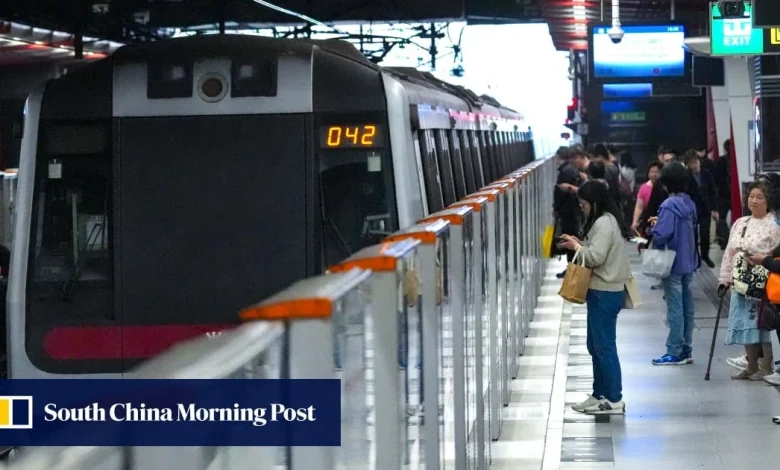
The rail operator has deployed a new signalling system on the Tsuen Wan line starting from the first train on Sunday morning while maintaining the normal schedule that day. that during the adjustment period, “some isolated incidents that do not affect train safety are expected. ” Examples cited include imperfect alignment between train doors and platform screen doors when trains stop, and automatic speed adjustments on certain sections of the line.
Contingency measures and staffing to reduce disruption
To manage the transition, the operator put comprehensive contingency plans in place. Additional train crew and engineering staff have been deployed along the line to address issues promptly and limit service impact. The operator also committed to close monitoring of the new system and making necessary adjustments to smooth operations as the rollout progresses.
Tokyo Metro Hanzomon Line pause underscores device safety concerns
On March 16, a mobile battery ignited aboard a train approaching Nagatacho on the Hanzomon Line, prompting a full‑line halt for about 30 minutes and disrupting roughly 7, 200 riders before service resumed after safety checks. The event highlights lithium‑ion battery safety risks on crowded urban metro corridors and the potential for a single device failure to interrupt schedules and trigger inspections.
Operational and systemwide implications for operators
Both the signalling transition on the Tsuen Wan line and the Hanzomon Line battery fire emphasize common operational priorities: rapid incident response, clear crew protocols and measures that limit escalation inside crowded cars. The Hong Kong operator has focused on engineering support and staffing during the adjustment period, while the Tokyo pause underscored the need for swift safety checks before resuming service.
What to watch next
In the near term, relevant authorities and operators will be monitoring both the technical performance of the new signalling system and any recurrence of device‑related fires on trains. The Tsuen Wan line operator has said it will continue close oversight and make adjustments as needed; the Hanzomon Line incident was resolved after safety inspections and service was restarted. Uncertainties remain about how frequently isolated glitches may occur during the signalling adjustment period and whether further operational measures will be introduced following the battery fire.
Taken together, the two recent developments illustrate the dual challenges facing dense urban rail networks: technological upgrades that must be carefully phased in, and everyday passenger behaviours and devices that can create acute safety incidents. Operators are emphasizing preparedness and rapid response while passengers may see intermittent disruption as systems and routines adapt.