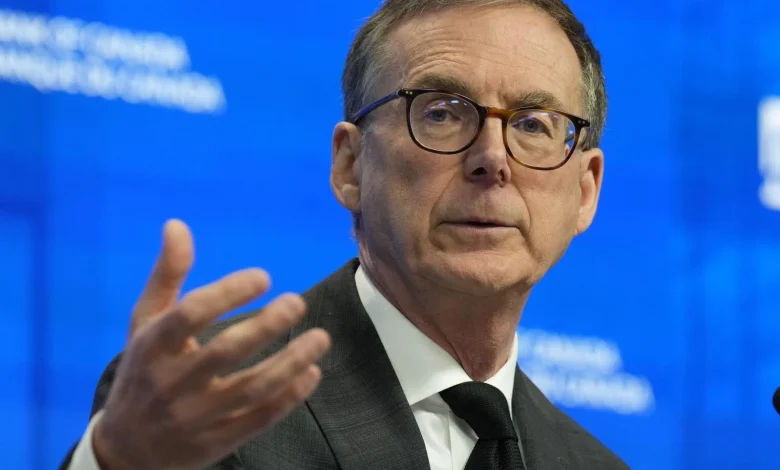
The Bank Of Canada Interest Rate is widely expected to be left unchanged as central bankers prepare to strike a firmer, more hawkish tone in response to a sharp jump in global oil prices tied to conflict in the Middle East. Economists say the bank is likely to hold its policy rate at 2. 25% while warning it will act if oil-driven price pressures begin to feed into broader inflation expectations.
Bank Of Canada Interest Rate Decision: What Is Expected
Policymakers are anticipated to keep the benchmark rate at 2. 25% for the third consecutive decision. Economists expect the governor to signal close monitoring of the situation and readiness to adjust policy if supply-driven price spikes start to push inflation expectations higher. Financial market odds are heavily tilted toward a rate hold for the upcoming announcement.
Several forecasters say it is too early to move off the sidelines despite the heightened inflation risk from energy. Some economists continue to project the policy rate will remain at 2. 25% through the rest of the year unless the oil shock proves persistent and broad-based.
Why Oil Prices Are Forcing a Hawkish Tone
Global crude has surged more than 40% over the past two weeks amid fighting that has largely closed the Strait of Hormuz, a route that typically carries about a fifth of global oil supplies. That spike has already pushed up gasoline prices and airfares and could lift the cost of food and other goods if the conflict stretches through March and into April.
Central bankers typically try to look through temporary commodity shocks, but the recent experience with inflation in 2021 and 2022 has made them more sensitive to the risk that supply shocks could become entrenched in public expectations. A former deputy governor of the central bank has urged a firmer rhetorical stance: if any of the price moves begin to broaden and lift inflation expectations, policymakers may need to hike.
At the same time, higher oil prices carry mixed effects for the Canadian economy. They boost export revenues, oil company profits and government tax and royalty income, but they also squeeze household budgets at the pump and reduce discretionary spending. Recent economic releases — including disappointing trade figures and a weak labour market report — suggest the real economy remains under strain even as energy-related revenues rise.
What Comes Next
The bank will make its second interest rate decision of 2026 this week, and officials have emphasized uncertainty and the need to monitor evolving risks. The governor has said, “We are monitoring risks closely. If the outlook changes, we are prepared to respond. ” Economists caution that further moves will depend on whether elevated energy prices persist and spread into broader inflation measures.
Markets are already pricing some chance of future tightening if the oil shock endures, with odds of a hike later in the year rising. Still, many economists maintain that without clearer evidence the bank should remain on hold. If energy prices continue to climb and exert sustained upward pressure on inflation, the central bank may shift from a wait-and-see stance to active tightening to prevent inflation expectations from de-anchoring.
For now, the immediate takeaway is stability in the policy rate combined with a noticeably more hawkish communications stance: hold rates at 2. 25% but make clear the bank will act if supply-driven price shocks threaten to become a broader inflation problem.