The VFX-heavy film avatar fire and ash has earned a Best Costume Design Oscar nomination, a recognition that highlights a production process in which every digital garment began as a real, handcrafted costume overseen by designer Deborah L. Scott.
Why Avatar Fire And Ash Earned a Costume Nomination
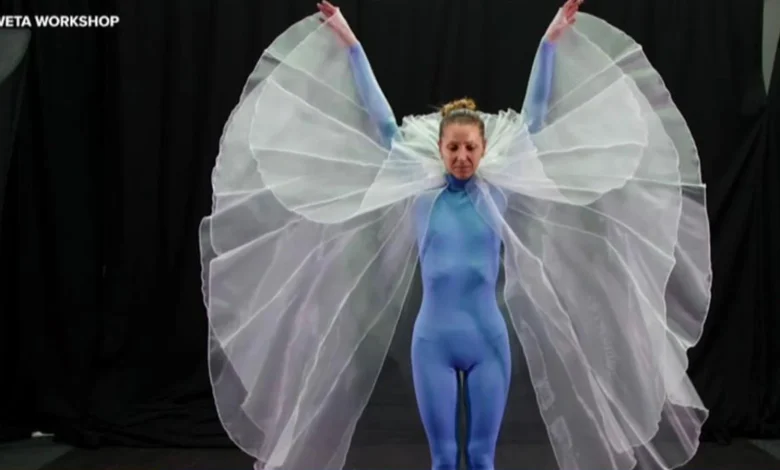
The nomination has surprised some observers given the film’s heavy reliance on visual effects, but the recognition reflects the concrete wardrobe work that preceded digital translation. Deborah L. Scott, named among the nominees, and her team created physical versions of the costumes before the visual effects department recreated them on screen. Scott described the collaboration with the effects crew as intense and detailed, emphasizing fit, movement and how garments respond to environmental elements.
Handcrafted Garments Translated Into Digital Characters
Central to the nomination is the production practice of making costumes in real life as a primary design step. Scott explained that every costume worn by a digital character started as an actual piece produced by hand. That approach allowed designers to study how fabric and accessories sit on a body and how they behave in motion, information that is then used by visual effects artists to faithfully render the garments within the film’s digital environments. Scott characterized the work as “really, really complicated” and “really extreme, ” pointing to the technical and creative demands of designing for characters that will ultimately be realized through computer imagery.
Wellington Workshop, Cultural Materials and Long-Term Collaboration
Much of the physical costume construction for the film took place in New Zealand at a workshop in Wellington, where a multi-year team effort produced garments for back-to-back installments in the franchise. The in-house team, led by Scott, worked for eight years on the second and third films, maintaining a creative momentum that designers said never became stale. The costumes drew inspiration from New Zealand’s landscapes and native wildlife; artisans incorporated local materials and motifs, including the use of pāua shells for members of the Metkayina reef clan, and examined coastal color palettes such as reef tones and sunset hues when developing textures and finishes.
Designers described an imaginative process that began with meetings between Scott, the director and production designers; Scott then translated those creative cues into detailed garments and entrusted designs to the Wellington workshop for execution. The result is a body of work intended to feel grounded and specific, even when ultimately seen on digitally rendered bodies on screen.
Significance of the Nomination and What Comes Next
The nomination places Scott and the Wellington-based design team in contention at this year’s Oscars, offering industry recognition for a hybrid approach that merges traditional costume craft with modern visual effects. The decision to foreground physical costume construction in a film known for its CGI underscores a broader industry shift toward close collaboration between costume departments and visual effects teams. Observers will now watch how the awards season unfolds and whether the Academy’s nod signals growing appreciation for initiatives that bridge practical and digital design practices.
As the production’s designers and artisans await the final outcome at the ceremony, the nomination itself highlights a creative workflow in which real-world making remains central to the appearance and character of fully digital performers.