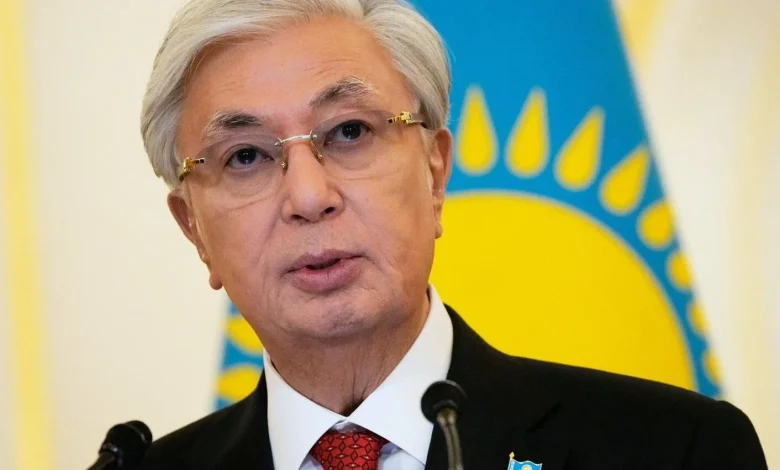
Voters in kazakhstan went to the polls Sunday to decide a draft constitution that, if approved, would reshape the country’s political institutions and broaden the president’s authority. The referendum asks citizens to accept a package of changes that supporters say streamlines governance and critics warn would entrench the incumbent leader.
Referendum Proposal and Key Changes
The proposed constitution would replace the current two-chamber legislature with a single chamber of lawmakers and restore the post of vice president. It would give the president the power to appoint key government officials, subject to parliamentary approval, and create a new body called the People’s Council. That council would be empowered to initiate legislation and referendums and would be filled entirely by presidential appointments.
Analysts Warn It Could Cement Presidential Power
Observers cited in the context view the package as expanding executive authority rather than deepening democratic accountability. Mario Bikarski, senior Eastern Europe and Central Asia analyst at risk intelligence firm Verisk Maplecroft, said the move to a single-chamber parliament would not necessarily strengthen democracy and that the amendments broadly expand presidential powers. Temur Umarov, a fellow at the Carnegie Russia Eurasia Center, said the change could provide a mechanism to reset presidential term limits and pave the way for the incumbent to retain power after his current term expires.
Kazakhstan Turnout, Counting and Next Steps
Election authorities reported strong turnout for the vote, with the Central Election Commission estimating turnout at 73. 24% as counting began. The vote followed a prior constitutional reform four years earlier initiated by the president, and if the amendments are approved the nation will move toward new parliamentary elections: the existing legislature would cease its work by July 1 and the election commission was set to announce preliminary results on Monday.
Political and Social Provisions Draw Notice
Beyond institutional restructurings, the draft constitution would redefine marriage as a union of a man and a woman rather than a union of two people. Analysts note that this provision follows earlier legislation banning what authorities characterize as the “propaganda” of LGBTQ+ relations and reflects an explicit turn toward codified traditionalism in the text.
What Changed and What Comes Next
The referendum represents the second constitutional overhaul initiated by the president in a four-year span. Supporters frame the package as a new model of government intended to make decision-making faster and more coordinated; critics say the mechanics favor a concentrated presidency. The president, a former diplomat who previously served at the United Nations, is limited under current rules to one seven-year term that runs through 2029. Analysts have warned the new text could create legal pathways for altering or resetting those limits.
With counting underway and preliminary results scheduled to be released soon, the immediate consequence will be whether the draft secures voter approval. If passed, the changes will set in motion institutional shifts and a timetable for parliamentary elections under the reworked system. Observers and participants alike will be watching how electoral authorities process ballots and how the political leadership interprets the mandate delivered at the referendum.