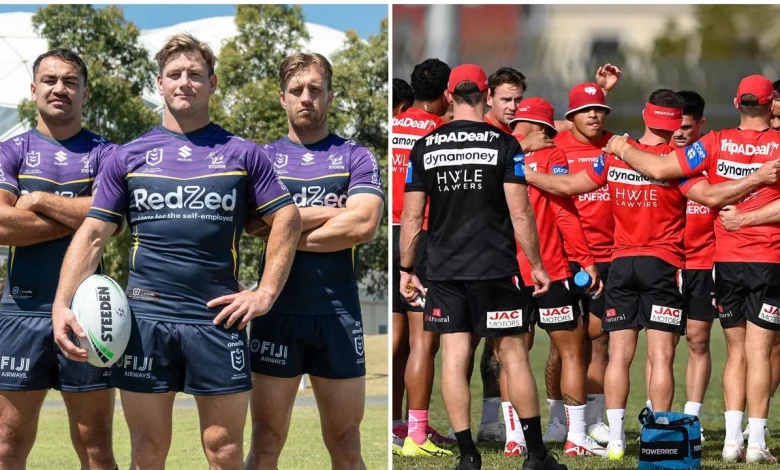
A recent column examining the dragons vs storm lineups for Round 2 says fans are entitled to scratch their heads over how the $11. 5 million salary cap is meant to deliver a level playing field when one side so clearly dominates on paper.
Dragons Vs Storm: Salary Cap And Roster Imbalance
The column argues the Melbourne side’s cap management has left them with roster depth that the writer describes as almost overwhelmingly superior to their opponents. The Storm’s ability to manage contracts meant they even had enough room to make a move for Zac Lomax, a pursuit that ultimately fell to pieces last week, the column adds.
Combined Team Picks Highlight Lopsided Roster
Using a simple exercise of selecting a combined starting 13 from the two squads, the writer said the Storm would take almost every spot. Even allowing for Melbourne missing three representative players—Eli Katoa, Xavier Coates and Trent Loiero—the column found room for only two Dragons in that hypothetical side: centre Val Holmes and backrower Jaydn Su’A.
The breakdown given in the column pairs individual matchups and preferences as follows: Sua Fa’alogo over Clint Gutherson, Will Warbrick over Christian Tuipulotu, Jack Howarth over Moses Suli, Nick Meaney over Setu Tu, Cameron Munster over Kyle Flanagan, Jahrome Hughes over Daniel Atkinson, Stefano Utoikamanu over Emre Guler, Harry Grant over Damien Cook, Josh King over Toby Couchman, Joe Chan over Luciano Leilua and Tui Kamikamica over Hamish Stewart. The writer notes some calls were close and open to debate, especially in selection choices involving young forwards and experienced leaders.
Why This Matters Ahead Of Round 2
The column frames the issue as more than one game: with each club nominally operating under the same $11. 5 million roster cap, the observed gap between these specific lineups raises questions about how evenly talent is spread. The writer points out that if choosing a team to win the season, 11 of the 13 Storm players would receive the vote, underscoring the perceived gulf on the roster paper even before play begins.
While the column stresses that this is not a criticism of the Dragons’ effort or bravery on the field in their previous outing in Vegas, it nonetheless casts the matchup as a clear example of how cap management and roster construction can produce markedly uneven contests despite identical spending limits.
Fans seeking clarity on the matchup and the broader implications for parity are left with the columnist’s core contention: the spectacle of these lineups calls into question whether the salary cap alone is delivering the equal competition it is intended to provide.