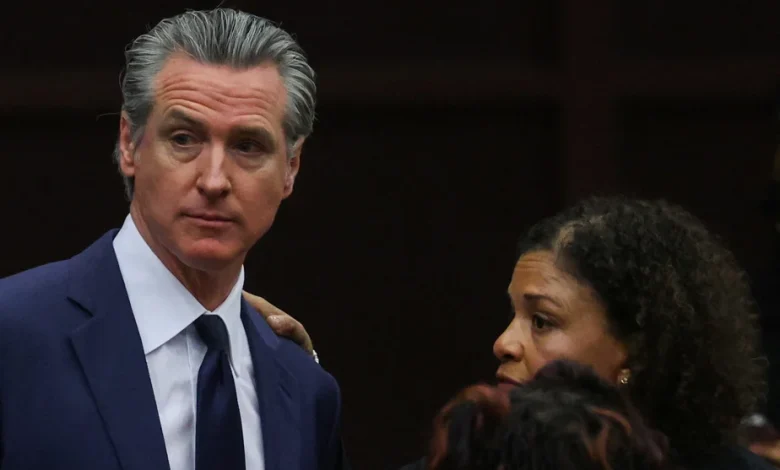
Gavin Newsom and the FBI occupy opposing public positions after an intelligence bulletin warned of a possible drone threat to the West Coast. The comparison answers a narrow question: does the FBI alert offer actionable warning or mainly an awareness signal, and how does that stack up against Newsom’s stated posture of reassurance and preparation? The piece uses the FBI bulletin, Newsom’s remarks and related federal comments to evaluate both sides.
Gavin Newsom: no imminent threat for California, preparation emphasized
Governor Gavin Newsom has publicly said there was no imminent threat to California, while stressing that drones “have always been a top priority. ” He said officials “were aware of these information” and framed the response as chiefly about preparing for the worst, speaking on Wednesday. Newsom’s statement presents a state-level judgment focused on calm and readiness rather than alarm, and it aligns with local police statements that Los Angeles and San Francisco are monitoring international developments and coordinating with state and federal authorities.
FBI and Drone Iranien Californie: an unverified alert with few operational details
The FBI issued a bulletin warning that Iran might launch a strike using drones from an unidentified ship off the U. S. coast, targeting unspecified sites in California in retaliation for potential U. S. strikes. The alert was described as “information unverified, ” and it explicitly noted no additional details were available about timing, method, targets or suspected actors. A White House spokesperson similarly characterized the intelligence as based on unverified information and stated that no such threat from Iran exists to U. S. territory. President Donald Trump said an investigation is underway when questioned about the matter at Andrews Air Force Base.
Gavin Newsom vs FBI: specificity, tone and operational implications for California
Specificity: The FBI bulletin supplies a scenario — drones from a ship targeting California — but it lacks concrete details on timing, mode and targets. Newsom’s message supplies a different kind of specificity: an assessment that no imminent threat exists and a declaration that preparedness is ongoing. Both use named actors from the context: the FBI, Governor Gavin Newsom and federal spokespeople; yet only Newsom offered a clear risk judgment for the state.
Tone and public guidance: The FBI bulletin functions as an alert to law enforcement, noting the information as unverified. That tone prompts heightened awareness rather than immediate public directives. Newsom’s tone is reassurative and procedural, stressing priority and preparation while telling Californians there is no imminent danger. Los Angeles and San Francisco police said they are monitoring developments and collaborating with state and federal partners, reflecting operational follow-through at the municipal level.
Operational pathways: Brian Kohlhepp of the John Jay College of Criminal Justice explained in the context that such bulletins are used to raise local law-enforcement awareness and that truly urgent information typically prompts more direct federal engagement, such as teleconferences or immediate contact. The FBI bulletin’s lack of verifiable details means it serves the awareness function Kohlhepp described, while Newsom’s focus on readiness reflects the state response appropriate to that level of specificity.
Use of the phrase drone iranien californie in public messaging differs by actor: the FBI framed a possible threat scenario with limited verification, and state officials framed their posture around preparedness and reassurance.
Analysis: Placing Newsom’s public reassurance beside the FBI’s unverified bulletin reveals a clear distinction in function: the FBI alert signals a need for heightened law-enforcement awareness but lacks the actionable specifics that would force immediate, large-scale public measures; Newsom’s stance provides the public-facing assessment and operational posture the state will maintain while awaiting verification.
Finding: This comparison establishes that, given the bulletin’s acknowledged unverified status, California’s posture of reassurance coupled with preparedness is the proportionate response for now. The next confirmed event that will test this finding is the outcome of the ongoing federal investigation that President Trump noted; if the FBI investigation maintains the alert as unverified, the comparison suggests California’s measured approach remains appropriate, but if verification emerges, the same comparison implies a shift toward more urgent operational responses would be required.