iran war middle east tensions hardened after Mojtaba Khamenei’s first public statement as supreme leader, in which he vowed to keep the Strait of Hormuz closed and demanded that US bases in the region be removed. That address, together with strikes near Camp Saqr and burning tankers at Basra, signals a direction in which attacks on bases and energy routes could become central to the campaign.
Khamenei’s First Address and the Strait of Hormuz Order
Khamenei delivered his first remarks since his appointment and opened with condolences and a call for popular participation, a line used to give legitimacy to the political establishment. He said Iran will keep the Strait of Hormuz closed and said the United States must close its bases in the region. The statement did not show him on camera, and intelligence assessments in the context suggest he may have been wounded, likely in the February 28 strike that killed his father.
Camp Saqr, Hezbollah and the Basra Tanker Attacks
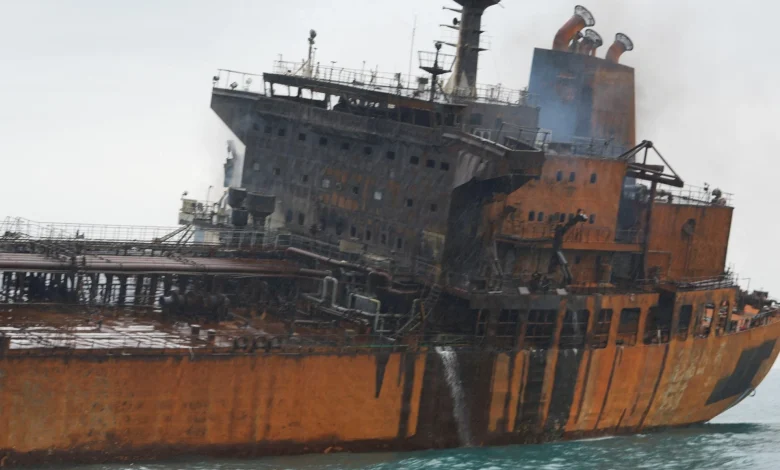
An air strike targeted Camp Saqr, which houses Popular Mobilization Forces headquarters southwest of Baghdad, an Iraqi security source said. Separately, Hezbollah said its fighters targeted the Zar’it settlement with missiles. Images filmed from the shore of the port of Basra showed two tankers engulfed in massive orange fireballs after attacks attributed to explosive-laden boats. Earlier the same day, three other ships were struck in the Gulf and another container vessel reported being hit near the United Arab Emirates.
Scenarios if Khamenei’s Order Shapes Iran War Middle East Outcomes
If the current trajectory continues: Iran’s new leadership rhetoric and the uptick in maritime and regional strikes point to a campaign that targets US bases and keeps the Strait of Hormuz closed. The context lists more drones and strikes reported into Kuwait, Iraq, the United Arab Emirates, Bahrain and Oman, and notes oil shipments cut off from parts of the Middle East. The war that began with a US-Israeli bombing campaign at the end of February has so far killed about 2, 000 people, and oil prices have already climbed back above $US100 a barrel. For civilian economies, the conflict has immediate knock-on effects: Nepal will ration cooking gas and refill only half of consumers’ empty cylinders to stretch liquefied petroleum gas stocks because of fears the Middle East conflict could cause shortages.
Should US and Israeli attacks cease: Iranian authorities have stated they will not allow oil through the Strait of Hormuz until US and Israeli attacks stop. Should those attacks end, the context makes clear Iran has linked reopening the strait and resuming normal oil flows to an end to foreign strikes. In that scenario, the incentive structure for continued targeting of bases and shipping would change, and some maritime attacks claimed by Iran’s Revolutionary Guards or attributed to proxy forces like Hezbollah could be reduced.
What the context does not resolve is whether the United States will close its bases in the region or how quickly any such withdrawals could happen. The context also leaves open whether Khamenei will make further public appearances after this first statement, and whether claims about his being wounded in the February 28 strike will be clarified publicly.
Next confirmed signal: another public statement or visible appearance from the new supreme leader is the immediate milestone that the context identifies. That statement will be decisive in showing whether the rhetoric backing closure of the Strait of Hormuz and the call for US bases to leave translates into sustained operations against bases and continued pressure on energy routes.