Marwah Rizqy breaks her silence on PLQ crisis and pushes for state-funded assisted reproduction

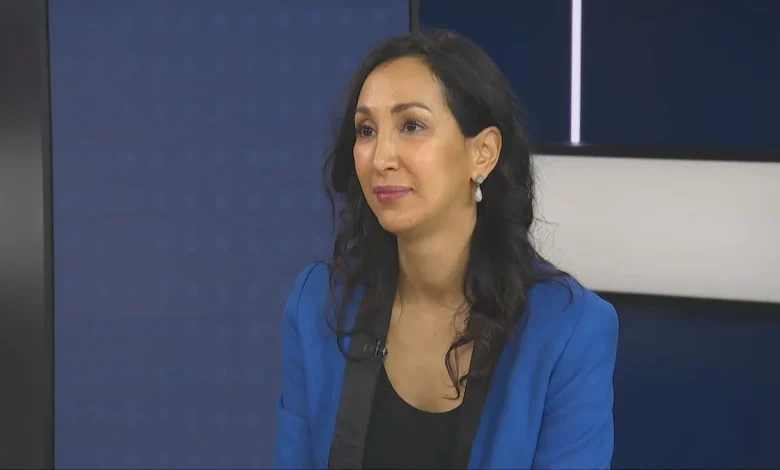
marwah rizqy said she is at peace with her choices but wished for a different ending after her expulsion from the provincial Liberal party, revealing she learned of the decision on the radio in a Tuesday interview and calling for state coverage of assisted reproduction to help ready families.
Key revelations from the interview
Marwah Rizqy, the deputy for Saint-Laurent who now sits as an independent, described a rupture that she said she did not ask for and that she and her husband found deeply painful. She said she was not warned before hearing on the radio that Pablo Rodriguez had removed her from the party. “No one had warned me!” she said, adding she would have preferred a different conclusion to her time in the party.
Despite the abrupt manner of her removal, she said she does not resent Charles Milliard for his choice not to reintegrate her; she praised his personal handling of the matter, noting he called and even met with her and handled the decision with what she described as human decency. She emphasized she felt “free” and did not regret her decisions.
Marwah Rizqy on assisted reproduction and natality
Beyond the party dispute, Marwah Rizqy used the interview to press a broader public-policy demand: the state should fully cover treatments for assisted reproduction. She framed infertility as a disease and argued that ready families should not be forced into heavy debt to have children.
The debate she raised echoes other material in the public record showing the province’s fertility challenges and the current structure of coverage for procreation treatments. A public report by CIRANO authored by Marie-Louise Leroux has been cited in recent discussion, and the Organisation mondiale de la Santé recognizes infertility as a medical condition. One recent accounting placed government spending on assisted reproduction programs at about 37 million dollars in the most recent year cited, while public commentary has placed out-of-pocket costs for people pursuing treatment in a broad range.
Investigations, integrity and institutional faith
Rizqy reiterated that she acted in the name of integrity and the party’s interest and said she had “spoken to the right places, to the right bodies. ” She pointed to multiple investigations underway: an inquiry by the commissioner of ethics, a penal-level examination by the DGEQ, and a criminal-level probe by UPAC. She described herself as not only a politician but also a lawyer and an officer of justice who believes in institutions.
She declined to comment on confidential elements tied to the case involving Geneviève Hinse but stressed that she has not revealed confidential motivations and that the decisions she faced were imposed on her circumstances.
What happens next
With investigations continuing, and with political leaders reshuffling after the resignation of Pablo Rodriguez as party leader in December, the immediate landscape will be shaped by the pace and findings of those inquiries and by any policy responses to the natality debate Rizqy has raised. The push for full public coverage of assisted reproduction — framed by Rizqy as a response to infertility recognized as a disease and to financial barriers faced by prospective parents — is likely to remain a point of contention in upcoming policy discussions.
Observers should expect further developments as the commissioner of ethics, the DGEQ and UPAC proceed with their work, and as debates over funding for assisted reproduction continue to surface in public and political forums. marwah rizqy said she will remain guided by her stated commitment to institutional process and to the families she invoked in calling for change.