ldc is the backdrop for a rivalry that has not faded: eight months after the Club World Cup final — a 3-0 defeat for PSG at the Metlife Stadium on 13 July — the match’s expulsions, late bookings and postgame confrontation remain reference points for players and staff on both sides.
What happened in that final?
The match ended 0-3 against PSG and was marked by late disciplinary incidents. Joao Neves received a red card after a VAR intervention in the 85th minute; Ousmane Dembélé and Nuno Mendes were booked in the closing moments (87′ and 90+4′). The red card followed an on-field confrontation in which Marc Cucurella had pushed Joao Neves, and Neves reacted by grabbing the Spanish defender’s hair.
At the final whistle a wider confrontation involved several players: on the Paris side, Nuno Mendes, Gianluigi Donnarumma and Achraf Hakimi; on the London side, Joao Pedro and Andrey Santos. The club coach Luis Enrique became directly involved in the mêlée, was pushed by Joao Pedro, and made contact with the Brazilian before Presnel Kimpembe intervened to restrain him. The scene surprised many who later reviewed television images and judged the sequence more violent than it first appeared from the stands.
Disciplinary follow-up was uneven: Joao Neves began the following season with a two-match suspension for the red card; FIFA stated there was no new information on any disciplinary case against Luis Enrique and did not transmit a dossier to UEFA for possible action.
What If Ldc memories change how the teams prepare for the Champions League round of 16?
Some within PSG have explicitly connected that evening to the upcoming Champions League round of 16. An agent of a Parisian player said teammates remembered the night vividly and felt Chelsea players had been overly provocative during the final. That framing has become part of the narrative inside the squad.
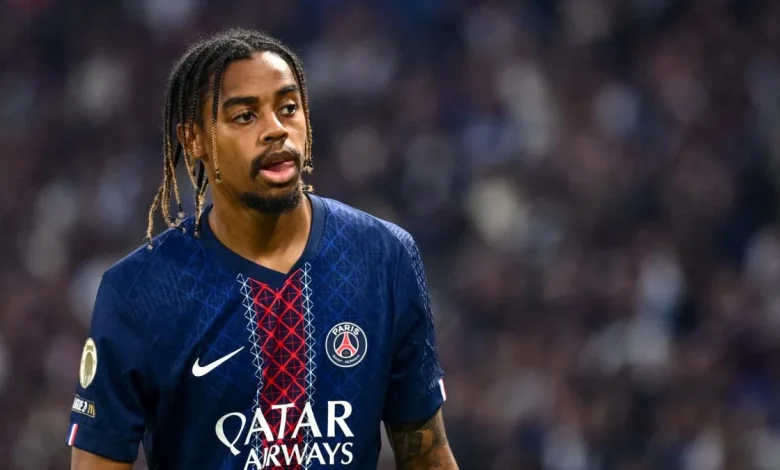
On the pitch, one voice from PSG pushed back on the gloom: Bradley Barcola said the team can still respond and that training is focused on being ready for high-stakes matches. Barcola acknowledged personal finishing issues, noting he has not scored in the competition for more than a year but believes creating chances is already part of his game and that with more luck and work he will convert more. He also described periods playing as a central striker as challenging because the role provides fewer touches, and confirmed his contract runs until 2027 while leaving extension discussions to his agent.
What to watch next — forward signals and simple actions
Three practical indicators will clarify how much the past final matters and which side holds the psychological edge:
- Disciplinary follow-up: any new action from FIFA or UEFA would formalize consequences and could change availability for key figures.
- Player narratives and selection: whether coaches reference the old match publicly or in team meetings, and how lineups reflect tactical adjustments tied to that memory.
- Finishing and form: forward players’ ability to turn chances into goals — a concrete change in finishing would undercut the lingering sting of the earlier defeat.
Uncertainty remains. The 0-3 scoreline and the brawl are fixed facts; how much they shape the next match depends on formal disciplinary outcomes, how coaches manage squad psychology, and whether attacking players convert opportunities. Observers and participants should watch those three signals closely and prepare contingency plans for player availability and match temperament — because even as calendars move on, ldc continues to color expectations for the return meeting.