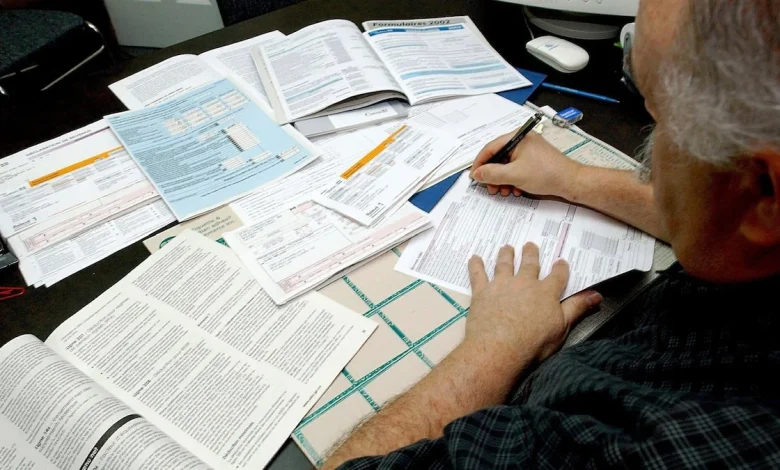
This tax season, revenu québec is one of several authorities adjusting rules and credits that will affect how and what you claim. The rhythm of filing is familiar — meet deadlines — but the details have shifted enough that taxpayers are being urged to pause, gather all slips and recalculate before submitting.
What happens now?
The immediate landscape has four practical changes taxpayers should treat as non-negotiable when preparing returns. Charles Drouin, spokesperson for the Canada Revenue Agency, notes the lowest federal tax rate moved from 15% to an effective 14. 5% for 2025 on earnings up to 57, 375. The Bureau du directeur parlementaire du budget estimates that change will save Canadians an average of 110 dollars this year and roughly 190 dollars in later years. The federal measure is expected to cost 4. 2 billion dollars in its first application and to reach 6. 4 billion dollars once fully applied.
Quebec-specific adjustments include eligibility and rate shifts affecting older taxpayers: the credit for prolonged career has been adjusted so that only workers aged 65 and over are now eligible; those aged 60–64 no longer qualify. The provincial government increased the reimbursement rate for the home-care-for-seniors tax credit from 38% to 39%, a one-percentage-point change that Revenu Québec says can translate into up to 75 dollars for an autonomous single person and nearly 200 dollars for a non-autonomous couple.
What forces are reshaping the season?
Several concurrent policy moves are driving the change in this filing cycle. At the federal level, bracket indexation and a reduced entry rate alter marginal positions for many taxpayers: the federal brackets for 2025 are 14. 5% up to 57, 375; 20. 5% up to 114, 750; 26% up to 177, 882; 29% up to 253, 414; and 33% above that. The basic personal amount has risen to 16, 129, with a phase-out beginning at 177, 882 down to a floor of 14, 538 for highest earners. Contributions to the Quebec Pension Plan mechanism have an updated cap: maximum employee contributions are set at 4, 339. 20 for earnings up to 71, 300.
Policy changes beyond pure rates also matter. The federal 15% non-refundable credit for digital news subscriptions has been removed for 2025. Eligibility criteria for disability-related supports have expanded and now allow a cash benefit up to 200 dollars per month for qualifying 18–64 year olds. Reporting obligations have shifted: taxpayers who previously only reported specified foreign property to the federal government may now have to report foreign property with an acquisition cost of 100, 000 dollars or more to provincial authorities; failing to comply risks significant penalties. Finally, adjustments to Old Age Security recovery thresholds mean benefits begin to be clawed back once taxable income exceeds 93, 454 and are fully recovered at 152, 062 for recipients aged 65–74 (and 157, 923 for those 75 or older).
- Key changes at a glance: federal lowest rate 14. 5% (to 57, 375); basic personal amount 16, 129; home-care credit refund 39% (Quebec); RRQ cap 4, 339. 20; new provincial foreign-property reporting threshold 100, 000.
What should taxpayers do next?
Practical steps flow directly from these changes. Pierre-Olivier Zappa, an economic columnist who has outlined the season’s essentials, advises taxpayers to wait until all slips are in hand and take a short inventory of newly adjusted credits before filing. That prevents missed claims and avoids penalties tied to reporting obligations that have recently expanded. Specific actions: check whether you still qualify for any age-based credits, confirm the new refund rate for home-care expenses if you are 70 or over, verify RRQ contributions if earnings approached the cap, and assess whether the elimination of the digital-subscription credit affects your expected liability.
Uncertainty remains in how some taxpayers will interpret eligibility changes and in the administrative rollout of provincial foreign-property reporting. Taxpayers with foreign holdings, seniors nearing previous eligibility thresholds and those who claim multiple provincial and federal credits should consider a brief review with a tax professional or clinic. The immediate imperative is methodical preparation rather than speed: assemble all slips, run updated calculations, and confirm filings reflect the new federal and provincial parameters led by revenu québec