Bruce Springsteen Faces Fan Backlash Over ‘No Kings’ Tour Ticket Prices as Sales Begin

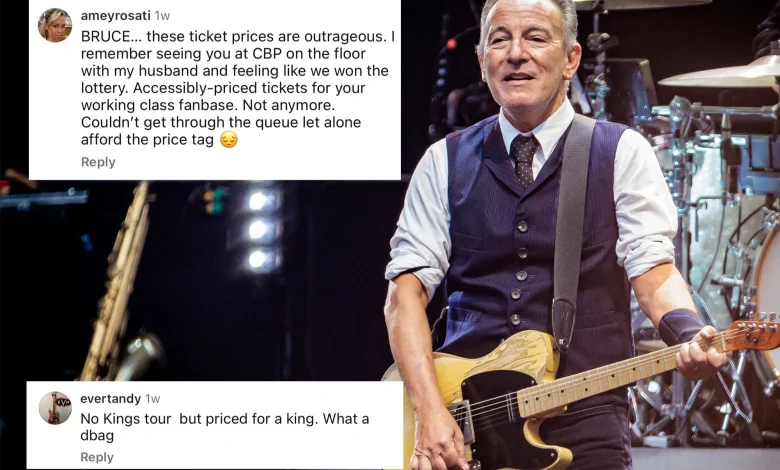
Monday at 3: 20 p. m. ET, bruce springsteen’s newly announced Land of Hope and Dreams tour drew intensifying backlash from fans over high ticket prices and the tour’s “No Kings” theme. The timing is tied to tickets going on sale on Feb. 20, revealing dynamic “Platinum” pricing that showed triple-digit entry costs and sparked complaints.
Ticketmaster Platinum Prices and ‘No Kings’ Messaging Collide
Fans criticized the contrast between the anti-President Trump “No Kings” advertising and the costs they encountered for the 20-date run with the E Street Band. Some tickets were listed at up to $3, 000 under Ticketmaster’s Platinum system, where prices rise in real time with demand. “No Kings tour, but priced for a king, ” one commenter wrote. Another said the strategy “feels contradictory to defend democracy while playing by pure free-market rules where money decides everything. ”
As of Saturday morning, the lowest prices cited for several stops underscored the sticker shock: Prudential Center on April 20 at $279. 63; UBS Arena on May 5 at $177. 31; Barclays Center on May 14 at $244. 35; and Madison Square Garden on May 11 and May 16 at $326. 60. The tour has not sold out, with additional seats still visible through the primary vendor.
- Prudential Center (Apr. 20): $279. 63
- UBS Arena (May 5): $177. 31
- Barclays Center (May 14): $244. 35
- Madison Square Garden (May 11, May 16): $326. 60
Bruce Springsteen Statement Frames Tour as Defense of American Ideals
announcing the tour, Bruce Springsteen cast the shows as a response to “dark, disturbing and dangerous times, ” saying he would perform “in celebration and in defense of America — American democracy, American freedom, our American Constitution and our sacred American dream — all of which are under attack by our wannabe king and his rogue government in Washington, D. C. ” He added that “everyone, regardless of where you stand or what you believe in, is welcome. ”
That rhetoric, coupled with the “No Kings” messaging, sharpened the divide. Some applauded the stance, while others labeled the effort “a woke joke” and said the pricing alienates the working-class audience long associated with the 76-year-old musician. Multiple commenters on social media argued that bruce springsteen’s approach places the best seats out of reach for fans living paycheck to paycheck.
From Jan. 28 Anthem to Feb. 20 On-Sale: The Build-Up
The tour rollout followed a politically charged stretch: on Jan. 28, Springsteen released the anti-ICE anthem “Streets of Minneapolis, ” and by Feb. 20, tickets were live on Ticketmaster under Platinum pricing. The calendar created a one-two punch — a pointed message, then market-driven prices — that framed how supporters and critics interpreted the “No Kings” theme.
Routing details emphasize marquee locations and major markets. The tour opens in Minneapolis and travels through California, Arizona, New Jersey, New York, Pennsylvania, and more, with New York–area bookings at Madison Square Garden, UBS Arena, and Barclays Center, plus a New Jersey stop at the Prudential Center. It is scheduled to wrap in Washington, D. C., with the final date set for May 27.
For now, the biggest variable is demand under dynamic pricing. Fans who refresh listings see seat costs shift in real time, which can lock in higher totals quickly. That mechanism has become a flashpoint: supporters of the “No Kings” framing argue the message aims squarely at politics, not pricing, while detractors say the market-first ticketing undermines the tour’s populist appeal.
Springsteen’s team says the shows are meant as a coast-to-coast “Rock ’n’ Rebellion” with the E Street Band, from Minneapolis’ Target Center to the nation’s capital. Yet, the current sales picture — with several dates listing significant minimums and some premium options at several thousand dollars — continues to set the tone of the conversation as the opening night approaches.
The next confirmed milestone is opening night in Minneapolis on March 31, followed by New York–area dates in May and the finale in Washington, D. C., on May 27. If demand eases or pricing strategies adjust, wider availability at lower entry points could emerge ahead of those stops.