Saturday at 9: 00 a. m. ET — CONFIRMED FACT: the crude oil price has risen sharply since the start of the Iran war, with global oil prices up more than 25 percent and U. S. crude settling just below $91 per barrel on Friday. UNCONFIRMED — unconfirmed as of 11: 00 a. m. ET: how long consumers will face sustained higher fuel costs.
Crude Oil Price Rise and Strait of Hormuz Shipping Disruptions
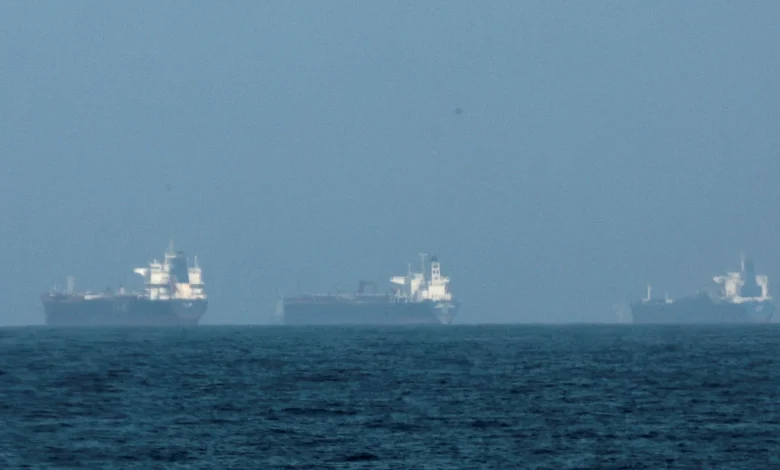
CONFIRMED FACT: Shipping disruptions through the Strait of Hormuz have forced a suspension of about a fifth of global crude oil and natural gas supply, and a near-complete shutdown of the strait has halted shipments equal to roughly 140 million barrels, or about 1. 4 days of global demand. CONFIRMED FACT: Global prices have surged by more than 25 percent since the conflict began, and U. S. retail fuel measures show effects: the national average petrol price reached $3. 41 per gallon on Saturday, up $0. 43 over the past week. Still, immediate operational impacts include refinery shutdowns and export constraints that are already impairing crude processing and regional supply flows, a dynamic noted by JP Morgan analysts earlier this week.
Confirmed Production Suspensions in Saudi Arabia, Iraq, Kuwait and UAE
CONFIRMED FACT: Major producers in the region — Saudi Arabia, the United Arab Emirates, Iraq and Kuwait — have suspended shipments and cut production as storage tanks fill. CONFIRMED FACT: Oil and gas storage in Gulf facilities is rapidly filling, forcing oilfields in Iraq and Kuwait to cut output, and the UAE is likely to reduce shipments next. UNCONFIRMED — unconfirmed as of 11: 00 a. m. ET: the timeline for reopening fields and returning production to prior levels; Amir Zaman, head of the Americas commercial team at Rystad Energy, said restoring shut-in fields could take days, weeks or months, depending on field type and the nature of the shut-in.
Goldman Sachs Warning, Operational Signals and the Observable Triggers
CONFIRMED FACT: Goldman Sachs has warned that oil prices could climb above $100 per barrel if shipping disruptions continue. UNCONFIRMED — unconfirmed as of 11: 00 a. m. ET: whether shipping and export routes will normalize quickly enough to prevent that outcome. Observable events that will clarify the picture include resumed commercial vessel transits through the Strait of Hormuz, confirmed reopening of specific Gulf export terminals, declines in regional storage utilization, and official production-restoration notices from national oil companies in Iraq, Kuwait or the UAE. That said, freight-cost increases and continued attacks on energy infrastructure would be immediate indicators that disruption remains severe; more than 80 percent of global trade moves by sea, so continued disruption would raise freight costs and delay deliveries, amplifying impacts on refined fuels such as gasoline, diesel and jet fuel.
UNCONFIRMED — unconfirmed as of 11: 00 a. m. ET: whether consumer-facing fuel prices will stabilize within weeks. Confirmed examples of consumer impact include a single New York City station where the cash price for a gallon of regular jumped 30 cents overnight to $3. 29, and projections that U. S. gasoline averages could rise further to an estimated $3. 50–$3. 65 per gallon by midweek, per GasBuddy analysis by Patrick De Haan. If shipping disruptions continue, Goldman Sachs’ conditional warning indicates oil benchmarks could exceed $100 per barrel; if vessels return and export flows resume, production may be restored over days, weeks or months depending on field conditions.
CONFIRMED FACT: The conflict is now in its eighth day and has already produced measurable supply suspensions and price moves. The next confirmed observable trigger that will move the story is the documented resumption of ship transits through the Strait of Hormuz and formal production-restoration notices from Gulf producers; no specific ET-scheduled event date is provided in the available reporting. CONDITIONAL: If commercial shipments resume and producers confirm restored flows, market participants would likely expect downward pressure on the crude oil price within days to weeks; if shipping remains disrupted, prices are expected to stay elevated and could surpass $100 per barrel.