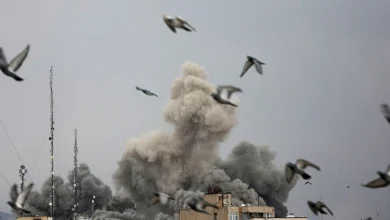
The United States and Israel have carried out strikes on Iran in an operation called “Operation Epic Fury, ” and the act of launching hostilities without congressional approval has pushed lawmakers into a constitutional debate over war powers. Lawmakers are set to receive a briefing from the administration on the Iran mission, and calls for a war powers vote are intensifying.
War Powers Act and the limits it sets
The War Powers Resolution adopted in 1973 is central to the current debate. It states that the President’s powers to introduce U. S. armed forces into hostilities, or into situations where imminent involvement in hostilities is clearly indicated, are exercisable only under one of three conditions: a declaration of war, specific statutory authorization, or a national emergency created by an attack upon the United States, its territories or possessions, or its armed forces. Commentary on the law notes it is often discussed but not always well understood, and that presidents have at times relied on the national-emergency language or treaty obligations to justify the use of force.
Congress weighs act-based options
Congressional options outlined in recent coverage include three broad paths: cutting off funding for the operations, passing a resolution demanding an immediate end to hostilities, or invoking the War Powers Resolution. Cutting funding is described as potentially reckless because service members already deployed did not choose to be sent and would face the consequences of an abrupt loss of support. A resolution seeking an immediate end to hostilities is also framed as a high-risk political move. Invoking the War Powers Resolution is presented as a less dramatic alternative, though commentary also expresses skepticism about its practical effectiveness.
Administration briefing and the immediate timeline
The administration plans to brief Congress on the Iran mission, and that briefing is expected to shape next steps. Debate on Capitol Hill is already active, and the briefing could influence whether lawmakers pursue funding restrictions, a formal resolution, or a War Powers path. Details about timing and specific content of the briefing are not publicly confirmed at this time.
Key takeaways
- U. S. and Israeli forces have struck Iran in an operation named “Operation Epic Fury. “
- Congress faces three main choices: cut funding, pass an end-to-hostilities resolution, or invoke the War Powers Resolution.
- An administration briefing to Congress is planned; its timing and scope remain unclear.
Forward look: If Congress moves to cut funding, recent commentary warns it could disrupt operations underway and present risks to deployed personnel. If lawmakers pursue the War Powers Resolution, its impact may be limited by legal and executive responses because past presidents have used the resolution’s language on emergencies and treaty commitments to justify force. The briefing by the administration will be the next observable indicator to watch; it may narrow the range of congressional maneuvers or leave uncertainty about legal and practical outcomes.