New Planning Laws Ireland: Government Poised To Ease Rules For Home Extensions And Garden Cabins

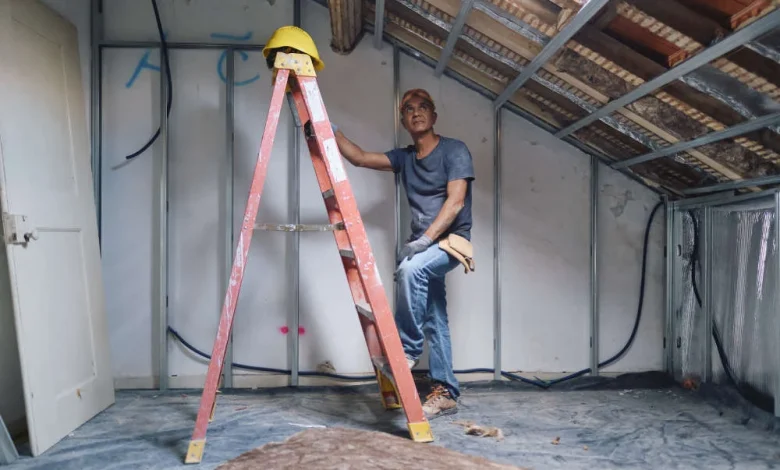
As interest in new planning laws ireland grows, the government is preparing to publish a significant package of planning exemptions that would make common home improvements and small-scale additions easier to deliver without a formal application.
What’s In The Draft Exemptions
The proposals, to be published in the coming weeks, set out a broad easing of requirements for minor residential works. The measures are aimed at speeding up small projects, cutting paperwork for homeowners, and reducing caseloads for local authorities.
- Larger rear extensions: the current 40 sq m maximum is set to rise to 45 sq m.
- Garden structures: the size limit for detached buildings such as sheds, home offices, gyms or garden rooms would increase from 25 sq m to 30 sq m.
- Cabin-style homes: modular or cabin-style buildings in back gardens would be permitted under the exemptions.
- Attic and dormer works: attic conversions and dormer windows/extensions would be allowed without a planning application.
- Windows and fittings: rooflight additions such as Velux windows are included in the scope of changes.
- Front-garden storage: enclosed units sized to hold four adult bicycles, two cargo bikes or three wheelie bins could be installed without permission.
- Heat pumps: the current restriction limiting installations to the rear of a property would be removed, allowing units elsewhere without planning approval.
- External wall insulation: a clear exemption is planned for external insulation on homes.
- Boundary works: front pillars up to 1. 5 m in height would be allowed without permission.
- Use changes: properties previously converted from residential to commercial uses (including short-term letting) could revert to residential without a planning application.
- Subdividing larger homes: bigger houses could be split into two units under the exemption, offering options for downsizing and multi-generational living.
For homeowners tracking new planning laws ireland, the standout shifts include larger extensions, simplified attic conversions, and new scope for garden cabins—all positioned to make smaller, practical upgrades quicker to deliver. The package is also framed to open up additional housing supply within existing properties by enabling subdivision and easier reversion from commercial back to residential use.
What New Planning Laws Ireland Could Change For Homeowners
The changes are designed to expand what counts as exempted development, meaning many projects could proceed without a full application. Beyond reducing cost and delay for owners, the reforms are intended to relieve pressure on local planning offices by removing routine, low-impact files from their queues.
Flexibility is a central theme. Allowing subdivisions and cabin-style builds could help families add space for adult children or older relatives while staying in their communities. Measures on bike storage, external insulation, and heat pumps point to practical upgrades that make homes more efficient and everyday life easier, without lengthy approvals.
The plan has been led at junior ministerial level, with senior housing leadership signaling that the review is substantial and imminent. Officials have also highlighted that exempted development rules have not had a major update in nearly a quarter century, and a recent consultation on potential changes drew almost 1, 000 submissions.
Timeline, Consultation And Next Steps
The review is due to be published later in the spring. Once the document is issued, a four-week public consultation will follow. Proposals will then undergo a screening phase of roughly four weeks before being brought to the Houses of the Oireachtas. The package would be finalized for publication after that stage.
In the near term, homeowners can expect clarity on which projects will fall under the revised exemptions and what conditions, if any, might apply. With the government signaling that the objective is to avoid clogging the system with minor works, the coming publication will set the parameters for home extensions, conversions, and garden structures for the years ahead.