From The Bride! To Frankenstein, Mary Shelley’s Monster Is Having a Moment: Here Are 5 More Takes on the Gothic Tale to Watch


Frankenstein has returned to screens and conversations as filmmakers revisit Mary Shelley’s themes of loneliness, creation and agency. Recent projects have pushed the story beyond the original Creature, centering the Bride and new interpretations that examine consent, body autonomy and gendered violence.
Why Frankenstein Keeps Returning
The core misfit tale at the heart of Frankenstein—an outcast seeking companionship—remains a potent lens for contemporary concerns. Recent adaptations have leaned into the story’s emotional center, using Gothic motifs to explore memory, vengeance, possession and survival. Directors have found in Shelley’s outline a flexible framework for interrogating modern questions about identity and power while keeping the elemental loneliness that defines the Creature.
The Bride’s Long Evolution
The female counterpart in Shelley’s narrative began as a conceptual possibility: a companion the Creature demands but Victor Frankenstein refuses to make. That thread took on new life on screen when James Whale adapted it into a cinematic sequel, where Boris Karloff’s Monster, pursued by mobs, forces the creation of a mate. Elsa Lanchester’s newly animated Bride—her shock, silence and distinctive beehive—became an indelible image, her primal rejection turning the promised Gothic romance into a drama of fear and stolen agency. The Monster’s anguished declaration, “We belong dead, ” and the destruction that follows closed that chapter while leaving the Bride as an evocative absence that later artists would fill in.
Five Modern Takes and Unlikely Inspirations
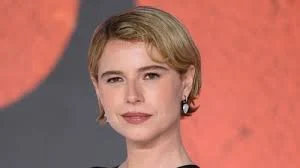
Contemporary filmmakers and curators have mined both the Creature and the Bride for fresh stories. Maggie Gyllenhaal’s The Bride! revives the Bride as a central figure, casting Jessie Buckley in the role opposite Christian Bale’s Monster and using Gothic elements to probe amnesia, righteous vengeance and possession tied to misogynistic violence. Gyllenhaal has said she sensed “some other, naughtier, wilder, more dangerous things that Mary Shelley wanted to say that weren’t said in ‘Frankenstein. ‘”
Other modern works draw looser, inventive lines to Shelley’s novel. Guillermo del Toro’s recent Frankenstein joined the wave of high-profile reinterpretations. A curated list of five Frankenstein-inspired films highlights varied approaches: a psychosexual folk-horror that reframes the creator role through an isolated seamstress whose lonely life leads her toward creation; a 1990 black comedy in which a grieving character reanimates a lost partner using borrowed parts, yielding a campy, electric finale with purple hair; and cult entries that nod to the myth with riffs on reanimation, identity and the cost of trying to remake a life. These titles show how Frankenstein functions as both blueprint and provocation, from direct sequels to sly, genre-playful homages.
The current moment re-centers the Bride as more than a prop or a shock gag: she’s a way into conversations about consent, bodily autonomy and who gets to be made and remade. Whether through faithful adaptations or sideways detours, filmmakers are returning to Shelley’s creation to ask what it means to be created, to belong, and to be denied agency.
As new films arrive, the ongoing interest in Frankenstein—and in the Bride who haunts its margins—suggests the story will continue to be a mirror for shifting social anxieties and artistic ambitions. Audiences can expect further reinterpretations that test the boundaries between monster and human, creation and consent.