Donald Trump Urges Warships To Strait Of Hormuz, Sparks Push To Secure Shipping As Oil Prices Surge

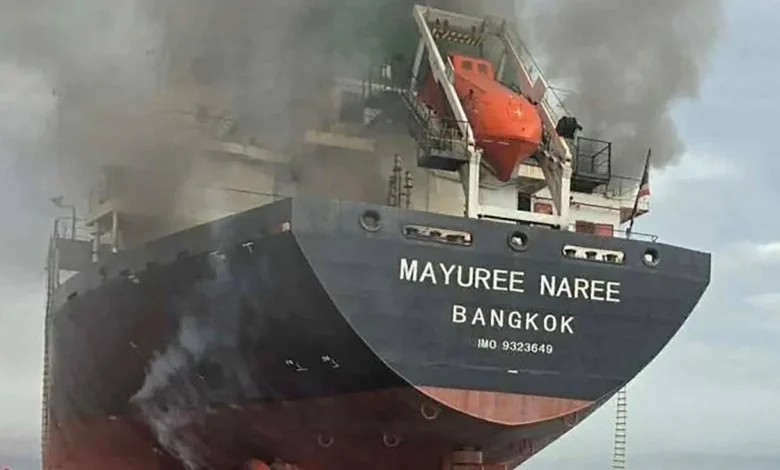
donald trump has urged the UK and other nations to dispatch warships to the Strait of Hormuz to help secure the critical shipping lane after attacks on tankers and energy infrastructure that followed the start of the US and Israel war on Iran a fortnight ago. The request comes as Tehran says it will keep the strait blocked and the effective closure has been linked to a huge rise in global oil prices.
Donald Trump Calls For Allied Naval Escorts
The president asked a range of nations — including China, France, Japan, South Korea and the United Kingdom — to send ships to the passage in conjunction with US forces to keep the strait “open and safe. ” In public posts he said “many countries” would be sending warships and pledged that the United States would provide “a lot” of support to participants. donald trump also asserted that the United States had already destroyed Iran’s military capability, while acknowledging that Tehran could still pose localized threats such as drones, mines or close-range missiles along the waterway.
He warned that US forces would take aggressive action at the shoreline and against Iranian boats and ships to ensure passage, and reiterated threats aimed at Iranian oil infrastructure on Kharg Island. The president said military targets there had been struck and suggested more strikes could follow if Iran interfered with shipping.
Tehran’s Response and Risks to Shipping
Iran has said it will keep blocking the strait and has framed some shipping as legitimate targets. Its military has warned that oil and energy infrastructure belonging to firms working with the United States would “immediately be destroyed” should attacks hit island energy facilities. Officials in Tehran have clarified that the closure is directed at tankers and ships of enemies and their allies, but other statements have described broad steps restricting passage.
Since the outbreak of the war on 28 February, 16 ships were reported attacked in and around the strait, a regional maritime operations update on 12 March said. The narrow channel, long a vital artery for global oil and liquefied natural gas, is effectively closed in the current confrontation and, notably, not even the US Navy is escorting tankers through the lane at present.
Allied Deliberations, Economic Fallout and Uncertainties
The UK Ministry of Defence has said it is discussing a range of options with allies to ensure the security of shipping in the region. Governments weighing participation face decisions about force composition, rules of engagement and the risks of escalation in a theater where strikes on shipping and energy infrastructure have already had wide economic consequences.
The effective closure of the Hormuz route and repeated attacks have been tied to a huge rise in global oil prices, amplifying the international stakes of any decision on naval escorts. The president has framed allied contributions as a collective responsibility of countries that receive oil through the passage and sought to present a coordinated response, but it remains unclear which states will commit ships or what timelines those deployments would follow.
Beyond requests for naval deployment, threats to target Kharg Island’s energy facilities have heightened the potential for direct impacts on oil export infrastructure. Tehran has warned that any tanker bound for the United States, Israel or their partners could be treated as a legitimate target, adding to the operational complexity for commercial shipping and military planners alike.
Officials and leaders now face an immediate set of choices: whether to provide escorts, how to protect neutral shipping, and how to calibrate responses that aim to reopen the strait without further escalating military confrontation. Those questions are likely to shape diplomatic and security discussions in the coming days, while markets and energy consumers watch for concrete commitments that might reduce the disruptions driving higher fuel prices.