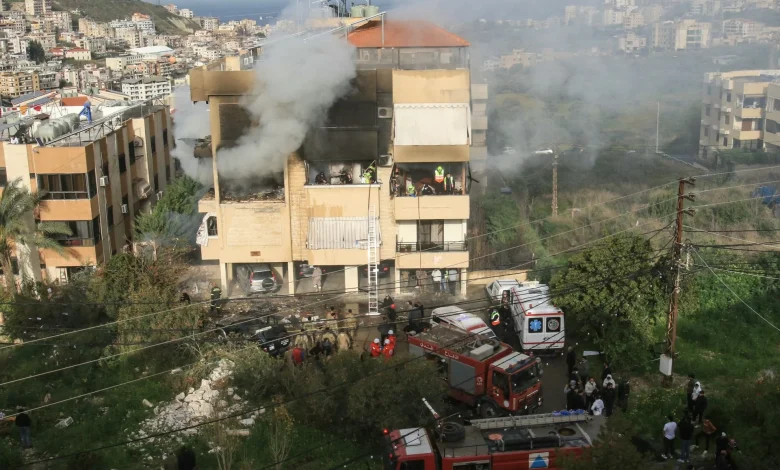
The Iran Israel War intensified with a U. S. -Israeli strike on a street in Isfahan that left buildings and cars damaged and rescue workers clearing rubble, while air-raid sirens and an intercepted ballistic missile rattled southern Israel. Details about casualties in Isfahan remain unannounced as the wider humanitarian and diplomatic fallout mounts.
Strike in Isfahan and Local Impact
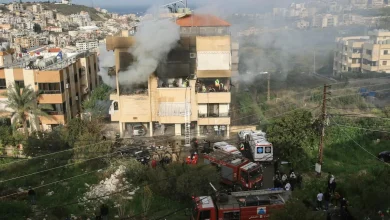
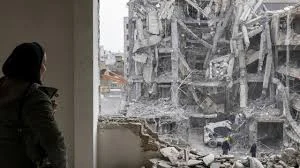
Iranian state television broadcast footage showing damage to buildings and vehicles following a strike on Sheikh Saddough Street in Isfahan city. Rescue teams were observed removing rubble from the area. The number of dead and wounded from the attack has not yet been announced, leaving the scale of civilian harm unclear. Earlier coverage noted that a U. S. -Israeli operation struck the site; authorities in the city are dealing with immediate search-and-rescue and damage assessments.
Iran Israel War: Missile Activity and Cross-Border Injuries
Across the border, air-raid sirens sounded in Israel as defenses engaged inbound threats. Two men in their 50s have been lightly injured in a ballistic missile incident in Eilat after submunitions were dispersed; emergency medical responders reported a missile carrying a cluster bomb warhead spread submunitions across parts of the south and center. Local air defenses intercepted an incoming missile over the city, and officials continue to assess the full trajectory and impact of recent launches.
Humanitarian Displacement and Regional Responses
The International Organization for Migration says deteriorating conditions in Iranian cities are driving complex population movements. The agency describes destruction of homes and key services pushing many people toward northern provinces perceived as safer, and notes displacement into more than 20 provinces has strained shelters nationwide. The IOM also reports that nearly 32, 000 people have moved to Afghanistan and nearly 4, 000 to Pakistan, even as airports and most border crossings — especially into Iraq — remain closed.
Political and diplomatic activity has picked up as regional and international figures respond to the escalation. The U. S. President emphasized that allies who rely on Gulf oil must cooperate to keep the Strait of Hormuz open. Egypt’s foreign minister departed for a tour of Gulf capitals beginning in Doha aimed at consultation and coordination in the face of military escalation. Separately, the Ukrainian president said he does not want his country to lose U. S. support for its conflict with Russia as tensions with Iran persist.
Within Iran, senior officials emphasized resistance to being framed as the instigator of large-scale terrorist events. The secretary of Iran’s Supreme National Security Council said he had heard claims that remaining associates of a now-deceased financier planned a major conspiracy and stressed that Iran opposes such schemes and has no war with the American people. The security council secretary’s remarks came amid the release of extensive U. S. government files about the financier and efforts by Tehran to underscore perceived ties between that figure and elites abroad.
Officials and aid agencies are continuing assessments of damage, displacement and medical needs. With casualty figures in Isfahan not yet public and movement across borders ongoing, humanitarian organizations and governments face immediate coordination challenges as they weigh next steps and the potential for further escalation.
As investigations and relief efforts proceed, the immediate questions are which sites in Isfahan were targeted, how many civilians were affected and whether the recent strikes will prompt further military responses. Those answers were still emerging at the time of publication.