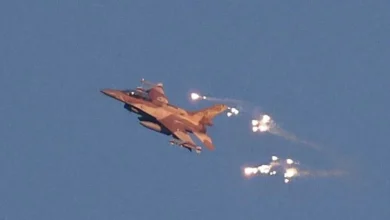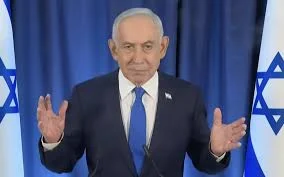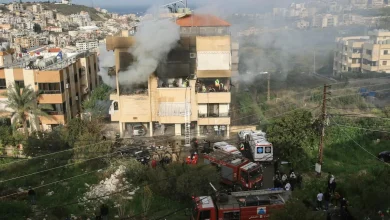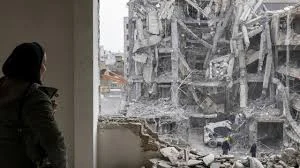
With the Israel Iran War in its second week, some Iranians who initially welcomed external strikes are reassessing their position as night‑time explosions continue and fear spreads in cities.
Israel Iran War: Opponents’ Hopes Turn To Doubt
For a number of Iranians who oppose the clerical establishment, the early days of the campaign brought a fragile hope that military pressure might accelerate political change. Many had believed that strikes could quickly remove senior figures and trigger rapid collapse of the regime. But after two weeks of fighting, that optimism is giving way to frustration and worry.
Some continue to argue that outside military pressure may be the only realistic way to weaken the system. Others are now questioning whether the human and material cost of the conflict could ultimately outweigh any political outcome.
Afraid, Defiant, Voices Emerging From The Darkness
People contacted inside the country describe a complicated mix of emotions. One Tehran resident who initially supported the strikes said she had celebrated when reports emerged that the Supreme Leader had been killed in US‑Israeli strikes, recalling: “I was screaming in happiness when the big news was confirmed. ” She also recalled years of domestic protest and repression: “For years we have protested… Every time they silence us, they kill us. “
But she added that two weeks into the strikes the mood around her had shifted. “Now I see some are terrified and people I know are wondering if their neighbourhood will be targeted next, ” she said, reflecting a growing fear that the campaign could bring indiscriminate danger as well as political change.
Communication Blackouts and the Limits of External Pressure
Contact with people inside the country has become more difficult since the conflict began, as authorities imposed a near‑total internet shutdown from 28 February. Despite these communication restrictions, journalists were able to speak with several Iranians who oppose the government; some of those people had initially not opposed the idea of military action, especially after a previous uprising and nationwide protests were subdued in what has been described as the deadliest protest crackdown in the Islamic Republic’s history. Names were changed for safety when those interviews were carried out.
At the same time, officials in Israel and the United States have framed the campaign largely as an effort to degrade nuclear and missile capabilities and related threats. Some leaders, including the US President, have hinted that the ultimate objective could include regime change — a suggestion that for some critics of the clerical establishment initially raised hopes that external pressure might speed political transformation.
The picture emerging from inside the country is now far more complicated: what began for some as a moment of hope has evolved into a mix of defiance and fear, with communications blackouts and ongoing explosions shaping a new, uncertain reality.