Cal Raleigh and Randy Arozarena, teammates on the Seattle Mariners, faced an awkward handshake moment during World Baseball Classic play that went viral. The comparison asks whether Raleigh’s refusal and Arozarena’s vulgar public reaction create a lasting clubhouse rift or reflect routine competitiveness that the Mariners can absorb.
Cal Raleigh: stance, words, and immediate framing after the WBC moment
Cal Raleigh declined Randy Arozarena’s pre-at-bat handshake while the teams met in Houston, and Raleigh later insisted there was “no beef” between them. Raleigh called Arozarena a baseball “brother” and said he loves Randy and that they are family, remarks he offered before the U. S. team played Italy on Tuesday. He also said he spoke with Arozarena on Tuesday and emphasized his priority is his U. S. teammates and winning the World Baseball Classic for his country.
Randy Arozarena: the handshake snub, the hotel greeting, and the postgame rant
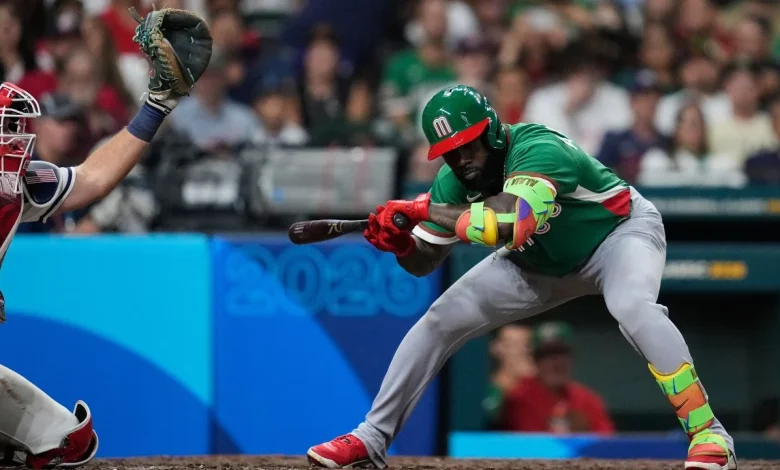
Randy Arozarena reacted to the plate exchange by cursing at a reporter after Mexico’s 5-3 loss, telling a Mexican journalist that Raleigh should thank his parents and then launching into profane criticism. Arozarena reached to greet Raleigh in the catcher’s squat and appeared visibly upset when Raleigh did not take his hand; video shows Raleigh may have said something before Arozarena moved to the plate. Arozarena referenced a recent friendly hug with Raleigh’s parents at the team hotel in his remarks.
Cal Raleigh vs Randy Arozarena: seam of competitiveness and what Dan Wilson says
Placed side by side, Raleigh’s public reassurance and Arozarena’s on-camera rant expose two angles of the same competitive vein: Raleigh framing the encounter as a minor, resolved matter, and Arozarena using forceful language that energized online attention. Mariners manager Dan Wilson planned to speak to both players on Tuesday and said he does not anticipate this being any bit of an issue, citing the team’s deep mutual affection as a key clubhouse ingredient.
Analysis: applying the same criteria — intent, public message, and team impact — both men displayed competitiveness first and relationship-management second. Intent appears competitive: Arozarena’s visible upset at being left hanging in the batter’s box and Raleigh’s refusal to return the handshake both signal in-game focus. Public message diverges: Raleigh publicly reassured teammates and fans he has no beef, while Arozarena’s postgame remarks were profane and emphatic.
Analysis: on team impact, the Mariners’ recent track record is relevant. The club finished 90-72 in 2025 and won the AL West title, with Raleigh a central figure who hit 60 homers that season, a milestone noted in the context. That history, plus Wilson’s expectation that competitiveness will not linger, suggests the club has existing cohesion to absorb brief flare-ups without a durable fracture.
Still, Arozarena’s roasting of Raleigh to a Mexican journalist and the clip’s viral spread raise a second-order risk: perception. The online stir echoes a past WBC moment when Arozarena was left hanging by a different catcher, and the repetition magnifies attention. If public perception becomes a sustained storyline, it could force internal conversations beyond the immediate competitive frame.
Analysis: both players have publicly acknowledged their roles — Raleigh by calling Arozarena a brother and stressing team responsibilities for the U. S., Arozarena by referencing personal greetings with Raleigh’s parents and expressing visible frustration. Applying the same standard of public messaging, Raleigh aimed to defuse, while Arozarena amplified the incident for a reporter.
Finding: the direct comparison establishes that this episode is more reputational noise than structural threat. Dan Wilson’s intention to address the moment on Tuesday and the pair’s existing status as teammates reduce the chance of a lasting clubhouse split. The next confirmed events that will test this finding are Wilson speaking to both players on Tuesday and the players’ scheduled reconnection at spring training in Peoria, Ariz.; those meetings will show whether words remain performative or translate into behavior back in Seattle.
Analysis: if Cal Raleigh and Randy Arozarena maintain the public posture that there is “no beef” and show cooperative behavior at spring training, the comparison suggests the incident will not harm Mariners cohesion. If either player continues to escalate in public remarks or in interactions, the comparison indicates the team will need active managerial intervention to preserve the clubhouse unity that helped the Mariners win the AL West in 2025.