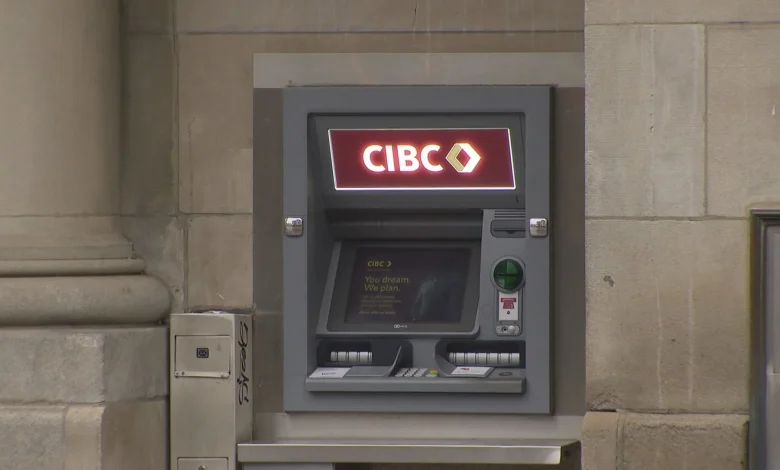
Ottawa has imposed a new $10 limit on non-sufficient funds (NSF) charges while banks formerly levied much higher and repeat fees; this shift frames the debate over who benefits. The comparison answers whether the new Bank Fees Canada rules — including the ban on multiple charges within two business days — is a structural fix for low-income Canadians or a partial adjustment to past banking practices.
Ottawa’s $10 cap in Bank Fees Canada changes
Under the federal rule now in effect, the cap for NSF fees on personal deposit accounts is $10, and banks may not charge more than one NSF fee in a period of two business days for the same deposit account. The rule also bans charging an NSF fee when an account shortfall is under $10. Ottawa announced the changes last year and the measures kicked in on Thursday. The federal government framed the cap as targeted relief for lower-income Canadians who were disproportionately affected by higher NSF charges.
Bay Street practices: $50 fees, repeated charges and penny-short cases
Until the new rule, NSF fees could be as high as $50 for personal accounts. Customers have sometimes faced multiple fees for a single transaction attempt; in one class-action example the lead plaintiff was charged $96 after being 45 cents short when a merchant tried the payment twice. Debit purchases generally avoid NSF fees because transactions are rejected when funds are insufficient. The Canadian Bankers Association has defended existing fee structures as tools to encourage responsible banking behaviour and has pointed to measures such as balance alerts and overdraft protection as ways customers can avoid charges.
ACORN Canada and Koho Financial on savings versus bank defenses
Advocacy groups and payment firms reacted differently. ACORN Canada called the changes a “major win, ” saying the cap will directly benefit renters, single parents, gig workers and people living paycheque to paycheque. Daniel Eberhard, founder and CEO of Koho Financial Inc., praised the change but said it underscores the need for more competition in financial services. The new cap is expected to save Canadians more than $600 million annually; that projected dollar figure is the chief quantitative claim supporters use to argue the rule will materially reduce harm to low-income households.
| Measure | Old Practice | New Rule |
|---|---|---|
| Typical maximum NSF fee | Could be as high as $50 | Capped at $10 |
| Multiple charges for same shortfall | Customers sometimes hit with repeated fees (example: $96 total for 45-cent shortfall) | Prohibited more than one NSF fee in two business days for same account |
| Small shortfalls under threshold | Charged even for pennies short | No NSF fee when shortfall is under $10 |
Comparing the measures on the same criteria—fee size, frequency, and treatment of small shortfalls—shows a clear structural shift. The cap directly limits the maximum penalty from up to $50 down to $10. The two-business-day rule directly addresses repeat-fee scenarios that have produced outcomes like a $96 charge for a 45-cent deficit. Banning fees for shortfalls under $10 removes the mismatch where tiny gaps triggered outsized penalties. For readers tracking bank fees canada, these are the concrete changes that alter customer exposure.
Analysis: The comparison establishes that the new rules reframe liability for customers more than they reconfigure underlying bank practices. The factual change is the numeric cap and the procedural limits on repeated and penny-short fees; the evaluative judgment is that those changes materially reduce the most regressive aspects of prior charging patterns. If Ottawa maintains enforcement of the cap and the prohibition on multiple charges after the rules kicked in on Thursday, the projected annual savings of more than $600 million will test whether reductions reach the low-income households advocates highlighted. If those savings materialize, the comparison suggests the new Bank Fees Canada rules will deliver measurable relief and weaken the argument that high NSF fees are necessary to promote customer responsibility.