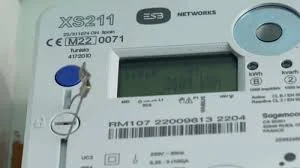
ESB Networks has apologized for incorrect readings after a software update on smart meters produced vastly inflated usage figures and high estimated costs for some customers. The company says the problem is fixed and data corrections are under way, but contrasting steps by a supplier and the scale of reported spikes expose gaps between the operator’s assurances and how bills are ultimately protected.
ESB Networks’ upgrade and the scale of incorrect readings
ESB Networks stated that a planned upgrade to one of its internal systems led to a glitch that pushed incorrect, high usage figures onto its own online accounts and those of multiple suppliers. the issue has been identified and resolved, it has commenced correcting all affected data, and customer accounts will automatically adjust to reflect actual usage. It also apologized for the confusion and concern and said it is working with suppliers and other stakeholders.
Customers described extreme spikes. Some were told they had run up more than €5, 000 in a single day, while others reported estimates closer to €10, 000 over a weekend. In one instance, a household download suggested close to €9, 000 worth of electricity in a short period. Smart meters also generated graphics that portrayed massive consumption. The number of affected people has been described as in the hundreds of thousands, indicating a wide footprint across providers.
These are confirmed anomalies rather than actual consumption. ESB Networks’ position is that users do not need to take action and that automatic adjustments will address the problem. Still, the breadth of inflated figures appearing on supplier systems points to a failure that moved beyond a single interface and into billing pipelines.
Bord Gáis Energy’s billing pause versus ESB Networks’ ‘no action’ message
One supplier, Bord Gáis Energy, switched off billing for associated meters to minimize customer impact and said it would not resume issuing bills until it received updated data from ESB Networks. That tactical pause sits in tension with ESB Networks’ message that customers need not do anything because accounts will adjust automatically. Both positions aim to prevent harm, yet they reveal a gap: the network operator treats the problem as largely remediated within its systems, while at least one supplier judged it necessary to halt billing until corrected data flowed through.
The issue affected customers of multiple providers, and incorrect figures appeared on supplier accounts as well as ESB Networks’ own platform. This documented spread suggests that the error propagated through shared data channels. What remains unclear is whether other suppliers took steps similar to Bord Gáis Energy’s pause, or how quickly corrected data will propagate across all providers’ billing systems. The context does not confirm if any incorrect bills were actually issued before supplier interventions.
Energia customer’s 13, 000kWh spike highlights the data mismatch
One case underscores how far the readings deviated from reality: an Energia customer saw a reported usage of 13, 000kWh on a single day. Her own consumption tracking app indicated 9kWh for the same period, a normal amount for a household. Had the larger, erroneous figure been applied to her account, the single-day cost would have been about €5, 000. That spread — from single-digit kWh to five-figure euro estimates — shows the severity of the data mismatch and the potential for immediate financial shock if billing had proceeded unchecked.
While ESB Networks says the error stemmed from an internal systems upgrade and has been fixed, the customer example demonstrates why a supplier-level gate, such as pausing billing, can matter. It also suggests that inaccurate data did not merely display in dashboards; it reached points in the chain where it could influence charges without safeguards.
Smart Meters glitch leaves open questions on corrections and scope
The documented facts establish a clear sequence: an internal upgrade produced incorrect readings; customers saw extreme usage and cost figures across multiple supplier accounts; ESB Networks began correcting data and advised customers to wait for automatic adjustments; a supplier halted billing pending validated data. Together, these facts expose an unresolved set of questions:
- Scope: The number of affected users has been described in broad terms, but the precise count remains undisclosed.
- Billing exposure: The context does not confirm whether any incorrect bills were issued or charged before supplier interventions.
- Data reconciliation: It is not specified when corrected readings will appear consistently across all supplier platforms and how historical displays and graphics will be amended.
For now, ESB Networks maintains that customers do not need to act and that corrections will occur automatically. Customers, however, encountered readings so inflated that they triggered supplier-level billing pauses. That contrast highlights a systemwide dependency: fixes at the network level must successfully flow downstream to supplier systems before the risk to household bills is fully contained.
The next conclusive step would be the completion of ESB Networks’ data corrections across all affected accounts and confirmation from suppliers that billing has resumed using validated figures. If supplier platforms reflect adjusted usage aligned with customers’ own tracking, and billing restarts without new anomalies, it would establish that the remediation worked end-to-end across smart meters data and billing systems.