ea layoffs arrived as a quiet, procedural note in inboxes and staffing lists, but their effect was immediate: empty chairs in studios that had just celebrated what EA called the “biggest launch in franchise history. ” The cuts touched contributors to Battlefield 6 at Criterion, Dice, Ripple Effect and Motive, prompting stunned teams to reckon with a volatile live-service market even after a high-profile debut.
Ea Layoffs Across Battlefield Studios
The various teams behind Battlefield 6 were hit with an unspecified number of layoffs, including staff at EA studios Criterion, Dice, Ripple Effect and Motive — all studios that contributed to the title. EA confirmed the organizational changes and framed them as efforts to “better align our teams around what matters most to our community, ” words attributed to Justin Higgs, EA’s VP Corporate Communications. The company added that Battlefield remains a priority and that investment will continue, guided by player feedback and insights from Battlefield Labs.
How a Record Launch and Layoffs Coexist
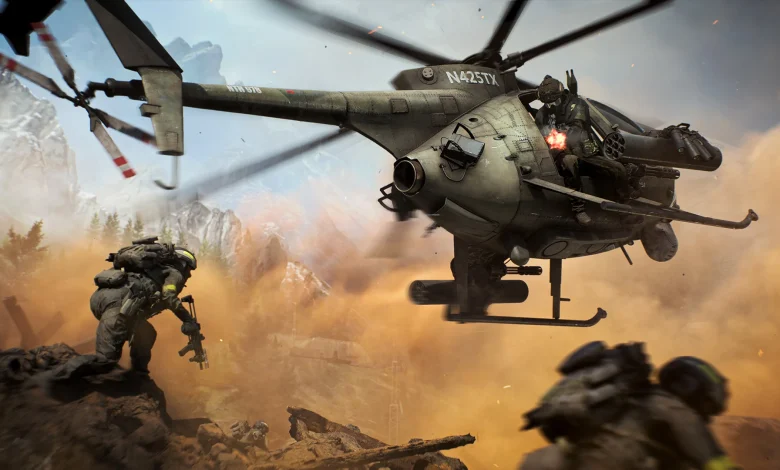
Battlefield 6 launched last October with high expectations and, initially, commercial success: EA cited seven million copies sold in just three days and described the release as the franchise’s largest launch. Yet the game is also described within company commentary and industry context as vulnerable to the pressures facing live-service shooters — long-term revenue models and intense competition that can leave even large projects exposed.
The layoffs are not isolated within EA. Last month, Full Circle — another EA studio working on a live-service reboot — faced layoffs. At the same time, the shooter market has seen rapid turnover: Highguard, developed by Wildlight with Tencent backing, is set to shut down permanently less than two months after launch, and other high-profile shooters have also faltered quickly. These patterns point to a market where commercial early success does not always translate to stable staffing or sustained product life.
Voices from Inside and Institutional Context
Justin Higgs, EA’s VP Corporate Communications, articulated the company position: “We’ve made select changes within our Battlefield organization to better align our teams around what matters most to our community. ” That statement frames the cuts as strategic rather than reflective of a halt in support. EA emphasized continued investment in the franchise and the role of Battlefield Labs in shaping future work.
Beyond EA’s own words, the broader corporate landscape also matters. The publisher is in the midst of a $55 billion buyout, a large-scale financial event that coincides with these staffing changes. The period is further marked by the unexpected death last year of Vince Zampella, a former Battlefield boss and Respawn cofounder, a loss noted within the franchise timeline.
What this Means for Teams and Players
For developers at the affected studios, the layoffs are a stark reminder that even titles with strong opening sales can produce outcomes that feel contradictory: celebration followed by contraction. For players, the statement that Battlefield will continue to receive investment and feedback-driven development suggests ongoing support, but the unspecified scale of the staff reductions leaves practical questions about timelines and priorities unanswered.
EA’s emphasis on aligning teams with community priorities and using Battlefield Labs for guidance signals a direction: the company intends to refine where resources are focused. Yet the recent history of short-lived live-service shooters underscores how fragile projections can be, with Highguard and other projects folding quickly after launch.
The scene in a development studio after layoffs is both practical and human: desks cleared, projects rerouted, and colleagues adjusting workloads. The company message points toward regrouping and recommitment; for many affected staff, the immediate reality is loss and uncertainty. As EA balances investment claims with organizational change, industry observers and employees alike will be watching how those choices translate into the next phases of support and development for Battlefield 6 and other live-service titles.
The echo of those emptied chairs returns us to the studio floor: a project that sold millions of copies in three days now moving forward with fewer hands. The community-facing promises and the internal adjustments exist side by side, and the coming months will show whether the stated reinvestment and player-guided priorities will restore momentum or leave unresolved questions about sustainability in the live-service shooter space.