Saturday at 8: 00 a. m. ET — Confirmed: the conflict has led to the suspension of about a fifth of global crude and natural gas supply and global oil prices have surged more than 25 percent since the start of the fighting; the oil price rise has pushed the national average petrol price to $3. 41 per gallon, and President Donald Trump faces political exposure. Unresolved: how long shipping and production disruptions will persist and whether prices will top $100 a barrel — unconfirmed as of Saturday at 8: 00 a. m. ET.
Strait of Hormuz disruptions have forced major producers to cut shipments
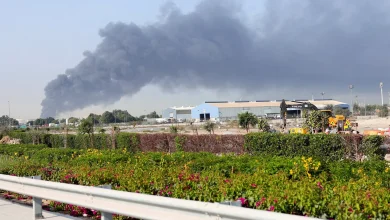
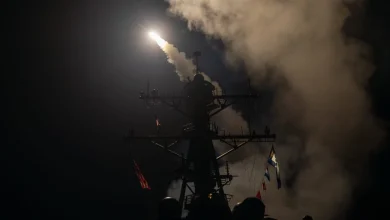
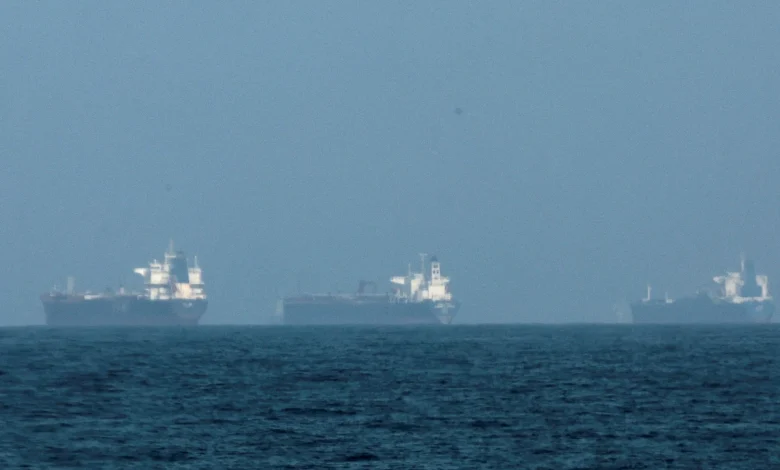
Confirmed: Tehran has targeted ships in the Strait of Hormuz and attacked regional energy infrastructure, producing a near shutdown of the waterway and forcing Saudi Arabia, the United Arab Emirates, Iraq and Kuwait to suspend shipments of as much as 140 million barrels of oil, equal to about 1. 4 days of global demand.
Still, storage at Gulf facilities is rapidly filling and oilfields in Iraq and Kuwait have already cut production; the UAE is likely to cut next, traders and analysts told. Unconfirmed as of Saturday at 8: 00 a. m. ET: the timing for when these shut-in oilfields can fully restart, which could take days, weeks or months depending on field age and type.
Goldman Sachs and JP Morgan on Oil Price trajectory
Confirmed: Goldman Sachs warned oil prices could climb above $100 per barrel if shipping disruptions continue, while JP Morgan analysts said markets are moving from pricing geopolitical risk to grappling with tangible operational disruption as refinery shutdowns and export constraints impair crude processing and regional flows.
Unconfirmed as of Saturday at 8: 00 a. m. ET: whether the current trajectory will push benchmark crude above $100 per barrel. If shipping disruptions continue, Goldman Sachs concluded higher price thresholds are possible; if those disruptions ease, JP Morgan and other analysts expect a partial normalization of flows over time.
Consumer fuel pain and freight impacts: AAA, GasBuddy and regional warnings
Confirmed: the national average petrol price reached $3. 41 per gallon on Saturday, rising by $0. 43 over the past week, and US crude settled just below $91 per barrel on Friday — the largest weekly gain on record in data dating back to 1983.
Still, unconfirmed as of Saturday at 8: 00 a. m. ET: how high retail prices will climb this week and whether averages will hit $4. 00 per gallon. Freight costs and delays also face confirmed upward pressure: more than 80 percent of global trade moves by sea, and disruptions in the Strait of Hormuz can increase shipping costs and delay deliveries, a dynamic that Djibouti’s finance minister warned would hit developing countries hardest.
Confirmed: analysts at Rystad Energy and others said oilfields forced to shut in could take a while to return to normal, and a state oil company source warned that “at some point soon, everyone will also shut in if vessels do not come. ” Unconfirmed as of Saturday at 8: 00 a. m. ET: the precise timeline for restart at specific fields, which industry experts say depends on the type of shut-in and the field’s condition.
Closing: the confirmed next observable trigger that will move the story is the resumption of oil shipments through the Strait of Hormuz and reopenings of shut-in fields; no specific ET time or date for that resumption is confirmed in available accounts. If shipping disruptions continue, Goldman Sachs warned oil prices could climb above $100 per barrel; if that occurs, consumers and businesses should expect weeks or months of higher fuel prices and elevated freight costs.