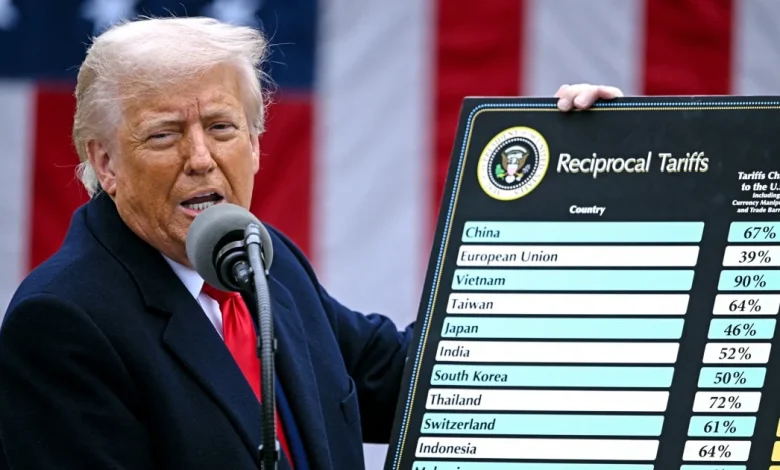
U. S. Trade Representative Jamieson Greer has launched Section 301 investigations into trading partners including the European Union, China and India while President Donald Trump maintains a global tariff posture. This comparison asks which approach—direct 10% levies tied to Section 122 or formal Section 301 probes—better recreates a credible U. S. tariff threat before temporary measures expire in July.
Jamieson Greer: Section 301 probe, targets and timeline
Greer announced that the Office of the U. S. Trade Representative has opened formal Section 301 investigations that could lead to new levies against countries including China, the European Union, India, Japan, South Korea and Mexico by this summer. He said the probe may also extend to Vietnam, Thailand, Malaysia, Cambodia, Singapore, Indonesia, Bangladesh, Switzerland and Norway. Greer set an explicit timeline: he hoped to conclude the investigations before the temporary tariffs imposed in late February expire in July.
Trump Tariffs: rates, legal basis and current status
After the Supreme Court struck down many of President Donald Trump’s country-specific tariffs, the administration enacted a blanket 10% tariff under Section 122 of the Trade Act of 1974. The president announced a new 10% global tariff immediately after the court decision; he later said the levy would be 15% but the rate actually charged remained 10%. Officials have since said the levy will be raised to 15%, while the current Section 122 tariff can remain in place for 150 days under that statute.
European Union, China and Mexico: where the approaches diverge
Section 301 probes and the blanket Trump Tariffs differ on legal footing and diplomatic effect. Section 301 is a targeted investigative path that, as Greer described, focuses on economies with signs of structural excess capacity or persistent trade surpluses in manufacturing. By contrast, the 10% global tariff enacted under Section 122 applies immediately and broadly, without the country-specific findings Section 301 seeks. Mexico and the European Union are singled out by both tracks: they appear among the countries listed for Section 301 and are already affected by the existing broad tariff.
| Policy element | Legal basis or feature | Notable fact from the announcements |
|---|---|---|
| Section 301 investigations | Section 301 of trade law | Could lead to new levies against China, EU, India, Japan, South Korea, Mexico by this summer; Greer aims to conclude before July |
| Blanket tariff (Trump Tariffs) | Section 122 of the Trade Act of 1974 | 10% global tariff currently in place; permitted for 150 days under Section 122 |
| President’s announced rate changes | Executive announcements | President stated a 10% global tariff, later said 15% though the applied rate remained 10%; officials have said it will be raised to 15% |
| Supreme Court ruling | Judicial check | Court struck down many of the earlier country-specific tariffs, prompting both the blanket tariff and the Section 301 investigations |
Both tracks aim to reestablish U. S. leverage, but they create different diplomatic dynamics. Section 301 investigations are designed to produce country-specific findings that can justify targeted import taxes. The blanket Trump Tariffs are immediate and universal, giving the administration an immediate lever but less tailored legal justification for specific trading partners. Countries named for probes are likely to object to targeted findings just as they have contested broad levies.
Greer also flagged a separate planned inquiry related to goods made with forced labor, to be announced in a second statement later in the week. That planned inquiry would use a different statutory route tied to the import ban on goods produced using forced labor.
Finding: The comparison shows that Section 301 probes offer a pathway to a legally durable, country-specific tariff program, while the Trump Tariffs deliver immediate, broad economic pressure but weaker legal specificity. The next confirmed milestone to test this finding is whether Greer can conclude the Section 301 investigations before the temporary tariffs imposed in late February expire in July. If Section 301 probes conclude before July, the comparison suggests the administration could replace broad 10% levies with legally grounded, targeted tariffs; if not, the blanket Trump Tariffs will remain the primary instrument for exerting pressure.